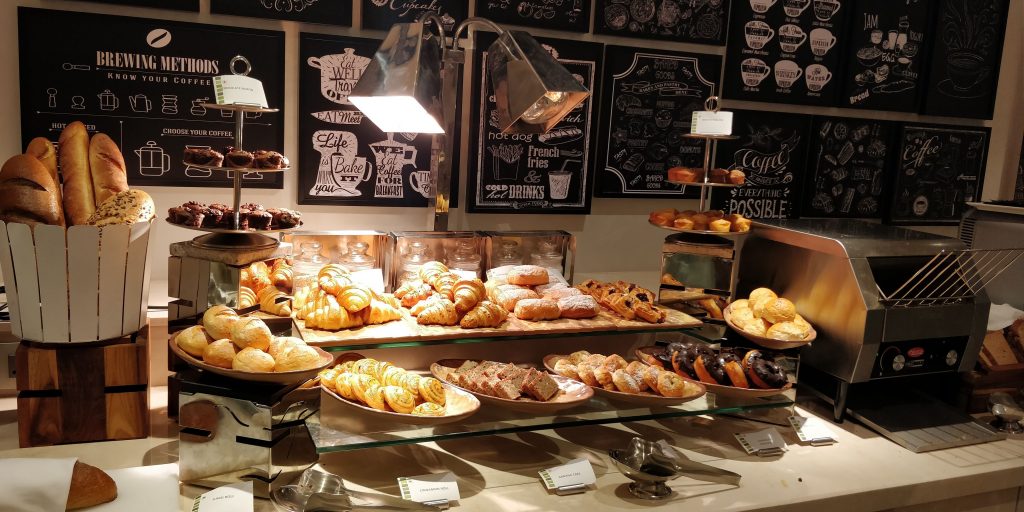
Do you find yourself depending on something sweet to get through the afternoon, grabbing a bag of salty chips, or something rich every day or even multiple times per day? Is it difficult to stop at just one, two or even three servings of sweets? Are you feeling out of control around food?
Sweets seem to be everywhere, especially this time of year. Cravings can get out of control quickly.
The struggle is real
I struggled with stubborn cravings for many years! I don’t think I met a dessert I didn’t like. I very much depended on sugary foods and other refined carbohydrates daily to provide me energy…..but that didn’t prove to be helpful! Supplying my body with a steady stream of these foods put me on a roller coaster with my energy levels, and caused anxiety, insomnia, heartburn and constipation. I justified a lot of my symptoms because it seemed common among women my age.
But although my symptoms may have been common, they were not at all normal.
Sneaky foods
Many of the foods that are eaten today can be described as hyperpalatable. These are foods that are high in sugar, highly processed foods with high levels of saturated fats and carbohydrates. They stimulate the reward and motivation routes in the brain similar to drugs, increasing the chances of seeking out cravings and consuming them.1
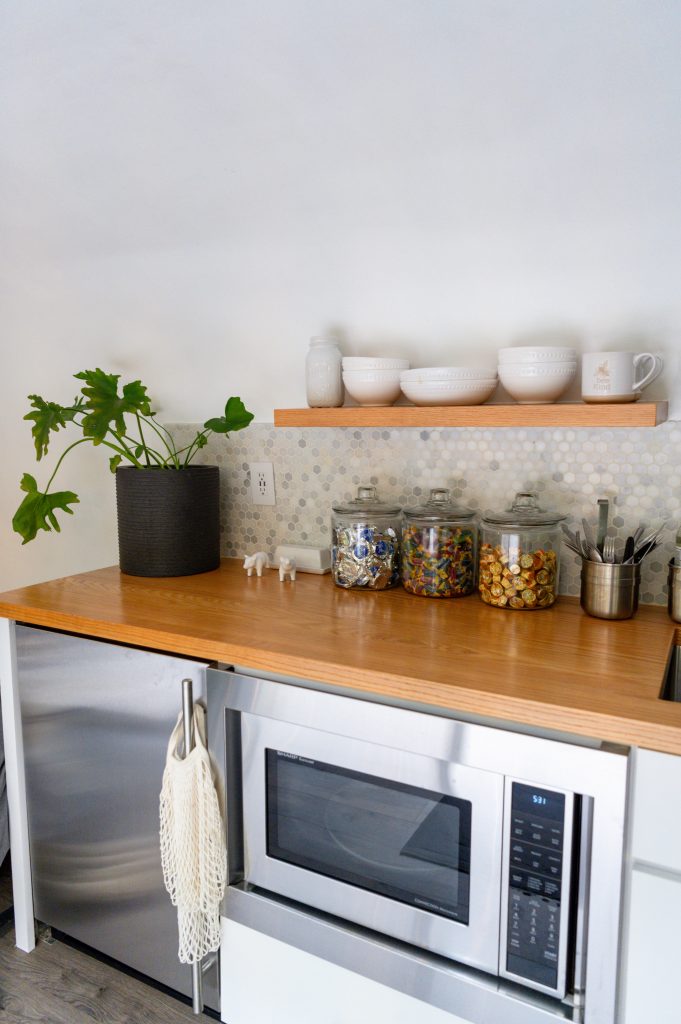
In the last few hundred years we have moved away from eating foods that were grown within a short walk of our home to buying foods from the shopping center food court, foods stored in the freezer, and heated up in the microwave. These are foods that are designed to be very palatable but are bankrupt in nutrients. Besides causing cravings, they are also sneaky, causing a tendency to overeat. They do this by bypassing the normal hunger regulation process, leading to overeating palatable food but under consuming important nutrients.2
So, is there hope in getting control back over our bodies and putting an end to these stubborn cravings?
Absolutely! I was once there in a big way, and can say today that I rarely have cravings.
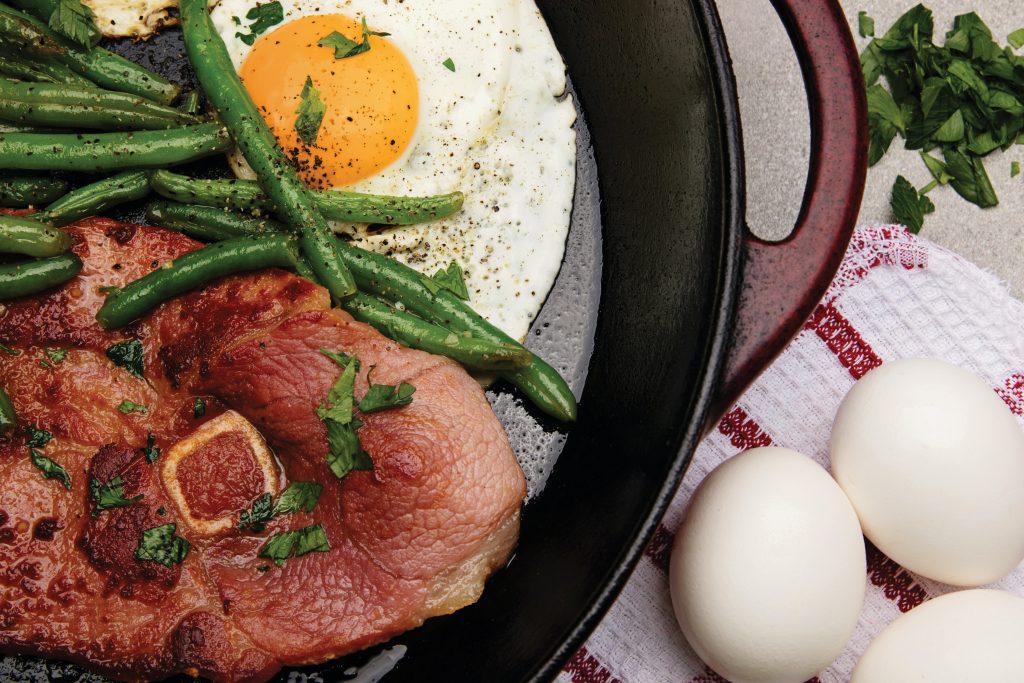
Here are my favorite and tangible ways for supporting your body and taking back control:
- Balance your plate When we include a balance of all three macronutrients (quality protein-preferably animal protein, whole food carbohydrates and healthy fats) on our plates, we benefit from balanced energy, supported digestion and balanced blood sugar levels.3 We leave the table feeling satiated and energized for several hours.
- Fine tune when needed Pay attention to how you feel 1 to 3 hours after your meal. Are you feeling satiated, refueled, energized, have an improved well being and mental clarity? Or do you feel hungry, sleepy, exhausted, are craving sweets, and mentally sluggish? This is a sign that your macronutrients need adjusting. If you are craving something sweet after you eat, add in a little more vegetable starch. If you are feeling heavy and lethargic after eating, consider decreasing protein. Age, activity level, and body size are all factors that can determine how much you specifically need for YOUR body.
- Eat enough and avoid skipping meals When we don’t supply our bodies with enough nutrients, our blood sugar levels easily become imbalanced, and we risk taking a ride on the blood sugar roller coaster, throwing off hormones, energy levels, mental clarity and increasing our cravings.
- Focus on nutrient dense meals and snacks Food rich in quality amino acids, fatty acids, vitamins and minerals help to fuel and nourish our bodies. Focus on quality proteins, dairy from high quality sources (if tolerated), healthy fats, whole food carbohydrates, and fermented and cultured foods.
- Don’t be caught without a snack when you leave home This has been such a lifesaver for me when I’ve been out running errands and get hungry. When you have a nutrient dense snack along, you can avoid reaching for a food that isn’t going to support you well. A couple of my favorite snacks that are easy to take along include Chomps meat sticks or a serving size travel bag of nuts.
- You may be craving something other than food It’s common to reach for certain unhealthy foods for comfort when stressed, lonely, sad or even bored. Awareness is the first step in changing this pattern. After we recognize this, then we can change how we react to the situation. Journal about what your body is really needing at this time. Try moving your body and getting outside. Relax with an epsom salt bath.
- Your body may be needing a specific nutrient in the foods you are craving If you are craving salty foods, it may not be the sodium (the most common ingredient in table salt), but instead other minerals found in sea salt, ie potassium, calcium, phosphorous that your body is needing. If you are craving chocolate, it’s often a sign that your body needs more magnesium, an important mineral that many of us are lacking. Focus on foods rich in these minerals. You can also add a pinch of unrefined sea salt to your glass of water for added minerals. I love Redmond brand and Celtic sea salt.
- Bring a dish to share If you are going to a party or gathering with others, bring something you know supports your body well to avoid over indulging in foods that don’t make you feel good.
- If you indulge, savor and enjoy it, then move on When we crave something and restrict it, we often crave it even more. If you decide to indulge, enjoy every morsel and then move on. Don’t waste time feeling guilty about it. The stress from feeling guilty can often be more harmful than having the treat. It’s not going to sabotage your health.
You may need to look deeper
If you try the above strategies and you are still struggling with cravings, it would be a good idea to look deeper into the root cause of your cravings. I offer functional testing, including the GI MAP, that checks for pathogens, parasites, fungi/yeast, H. pylori, bacterial overgrowth, all of which can cause chronic and stubborn cravings. If you want to learn more about what the GI MAP has to offer, read this blog article. All of my services also include diet audits that help clients narrow in on specific foods that are tailored to their own needs and support optimal digestion and gut health. No one-size-fits-all diets here. If you want to discuss if nutritional therapy is a good fit for you, set up a complimentary discovery call below.
References
- Sinha, R., Gu, P., Hart, R., & Guarnaccia, J. B. (2019). Food craving, cortisol and ghrelin responses in modeling highly palatable snack intake in the laboratory. Physiology & behavior, 208, 112563.
- Nutritional Therapy Association. Evolution of the Modern Diet-Guide. [PDF file]. 2020. P 5.
- Nutritional Therapy Association. Basics of Nutrition-Guide. [PDF file]. 2020. P 2.
Leave a Reply