There are over 100 trillion bacteria in your gut that can impact your digestion, immune function, and metabolism! I discussed foods that can have a nourishing impact on your gut but wanted to go a little deeper in this blog into two essential types of foods for feeding your microbiome. You may have heard about prebiotics and probiotics, but maybe you wondered what the difference is between them, and why they are essential.
Prebiotics are essentially food for your microbiome. They provide nourishment and help create the growth of good bacteria in your gut. Prebiotics are unique in that the human body isn’t able to digest and use prebiotics, but our gut bugs do. Prebiotics feed the good gut bugs that create SCFAs (short-chain fatty acids). They also provide help against disease-causing microbes and bacteria that can cause disease.
The benefits of prebiotics are many:
- Improve immune system function
- Helps your body manage inflammation
- Helps with regular elimination
- Increase the creation of good bacteria and decrease bacteria that cause disease.
- Helps with building bone
- Helps to trigger your body to create hormones that help with turning on and off your appetite.
- Helps create neurotransmitters that send messages between your gut and brain, to produce mood changes.
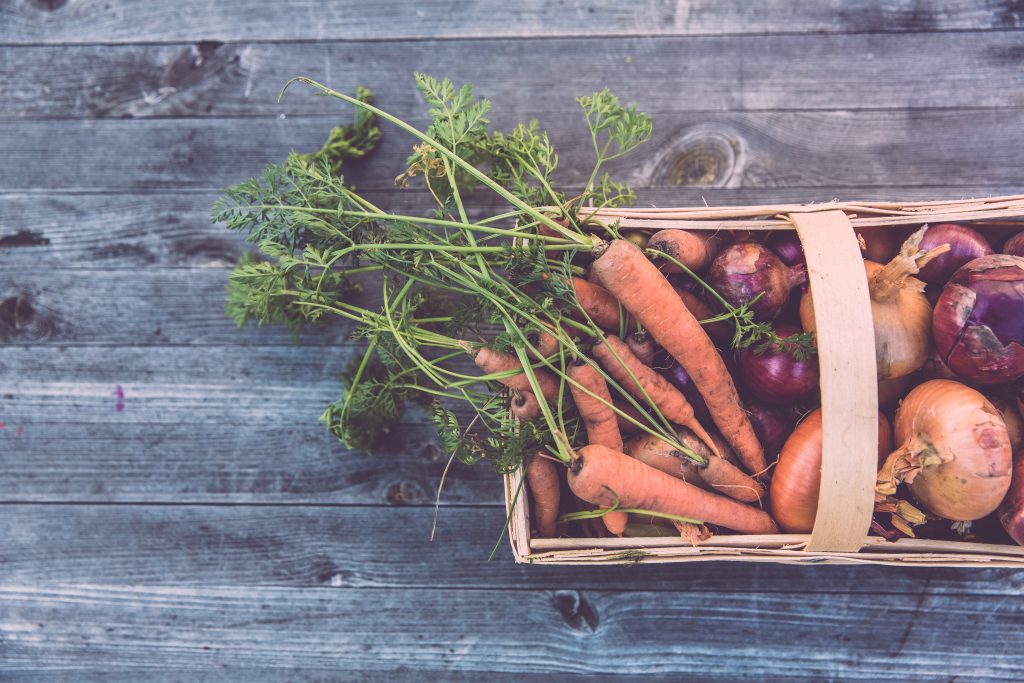
Some examples of prebiotics include:
asparagus, radishes, apples, carrots, garlic, onions, artichoke, leeks, jicama, legumes, plantains, green bananas, tubers like potatoes, sweet potatoes, yams, chia seeds, flaxseed, cocoa.
Some people may experience gas or bloating if they add in prebiotics too quickly, so it’s a good idea to start slowly.
Without prebiotics as fuel, probiotics would starve. And prebiotics would be of little worth if probiotics weren’t around to eat them. The relationship is a symbiotic one.
You’ve probably heard a lot about probiotics. They are full of beneficial bacteria that reside in your gut.
Benefits of probiotics include:
- Protection against inflammation
- Protection against antibiotic-associated diarrhea
- Supports your immune system
- Supports your digestive health, your ability to stay regular, and in reducing diarrhea.
- Studies have also shown probiotics to have a positive effect on depression. PMID: 28239408
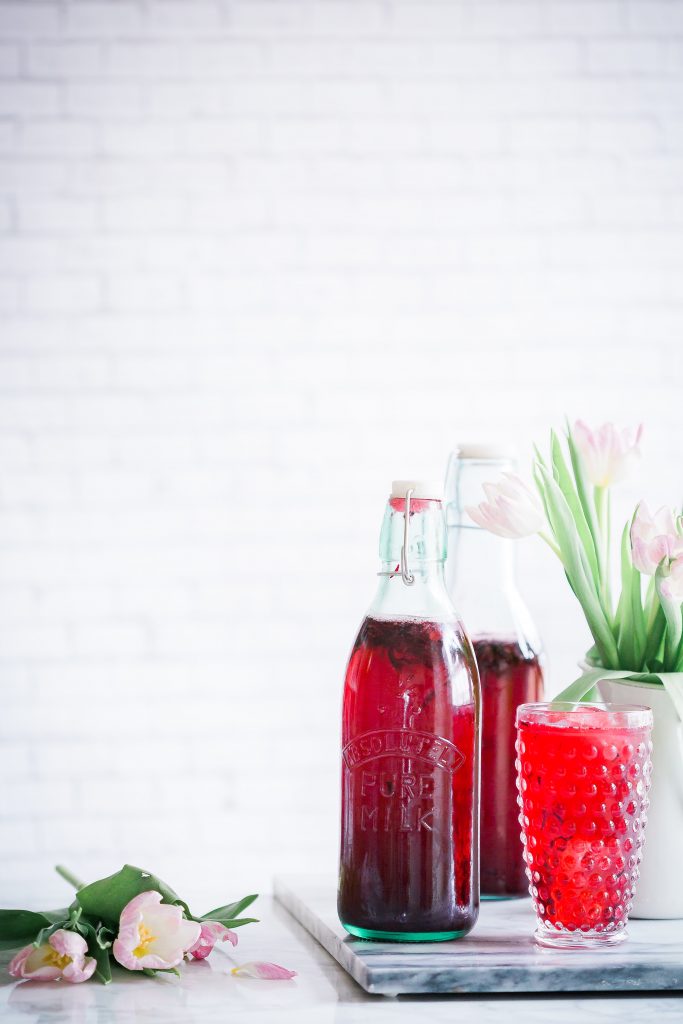
Sources of probiotic foods: Kefir, yogurt, sauerkraut, fermented vegetables, kimchi, kombucha
Eating a variety of probiotic foods will provide you with the most benefits and probiotic strains.
Just like with prebiotics, gas and bloating can also be experienced when first starting probiotic foods. It is best to start slow.
Adding a variety of prebiotic and probiotic foods into your diet will result in making your gut more robust and your health more resilient.
What are your favorite prebiotic and probiotic foods? I would love to know!
References:
- Wallace, C., & Milev, R. (2017). The effects of probiotics on depressive symptoms in humans: a systematic review. Annals of general psychiatry, 16, 14.
Leave a Reply