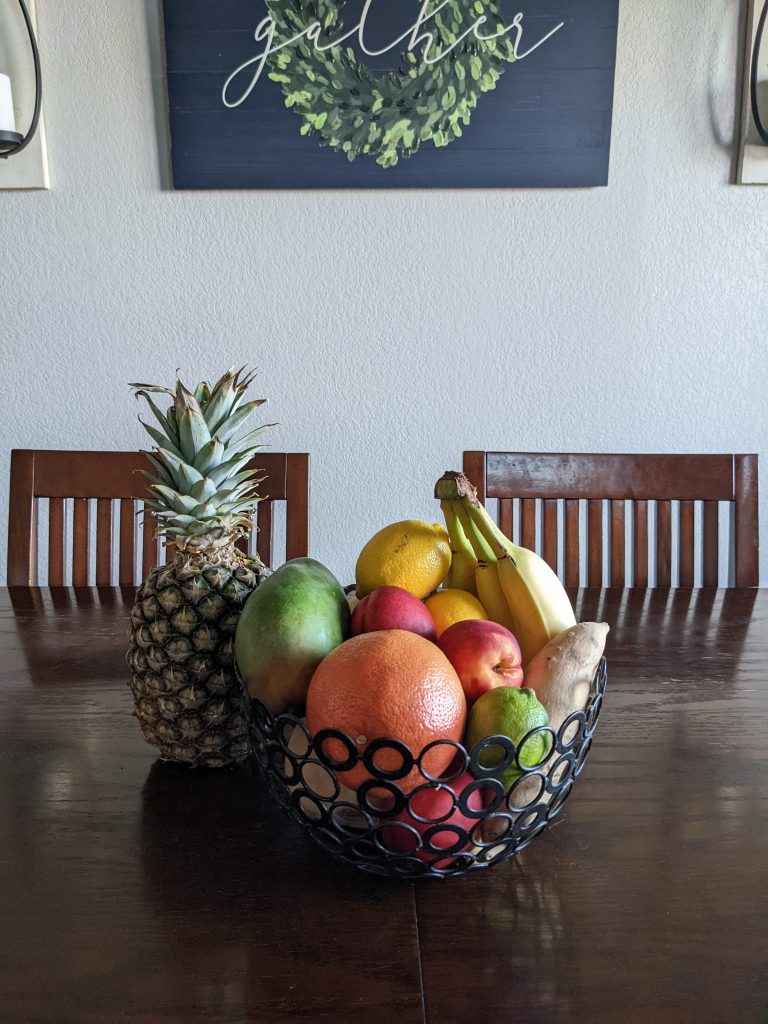
Though there are many things that affect the gut microbiome, one of the fastest ways to influence it is through the use of food. The food you eat has the ability to influence good bacteria and bad bacteria in your gut. Your gut is home to over 100 trillion bacteria, which can impact your digestion, immune function, and metabolism. 1
We don’t often think of conditions associated with poor gut health if they aren’t gastrointestinal related. Still, researchers have found that up to 90% of all disease is associated in some way with microbiome health.2
Conditions associated with an imbalance in the gut microbiome:
- Allergies
- Asthma
- Autism
- Autoimmune diseases
- Cancer
- Cardiovascular disease
- Celiac disease
- Diabetes
- Eczema
- Glaucoma
- Heart disease
- HIV/AIDS
- IBS
- Kidney disease
- Liver diseases
- Mood disorders
- Neurological disease
- Obesity
- Rheumatic diseases
- Skin conditions
- Sleep disruption
It’s also important to take a look into your daily habits and see if there are factors that could be contributing to the imbalance of your gut microbiome. There are many external factors that you may be encountering every day that could be a source.
External stressors that disrupt the gut microbiome’s diversity and balance:

- Food intolerances
- Allergies or sensitivities
- Bacteria, viruses, and parasites
- Household cleaning products
- Alcohol
- Air pollution
- Fragrance chemicals
- Mold
- Pesticides, herbicides, fungicides
- Heavy metals
- Pharmaceutical prescriptions
- Antibiotics
- Steroids
- Anti-inflammatory medications
It’s also key to consider the brain-gut connection. It’s important to be in a relaxed state, or parasympathetic state when eating. Without being in a relaxed state, your body cannot digest well or support the optimal timely movement of food through the GI tract. For more information see my blog “Where Digestion Starts and Why It’s Important”.
Incorporating gut-healing foods into your diet can influence the bacterial balance in your gut, and have powerful effects on your whole body. By nourishing and healing the gut, your health is supported in a profound way.
Gut nourishing foods:
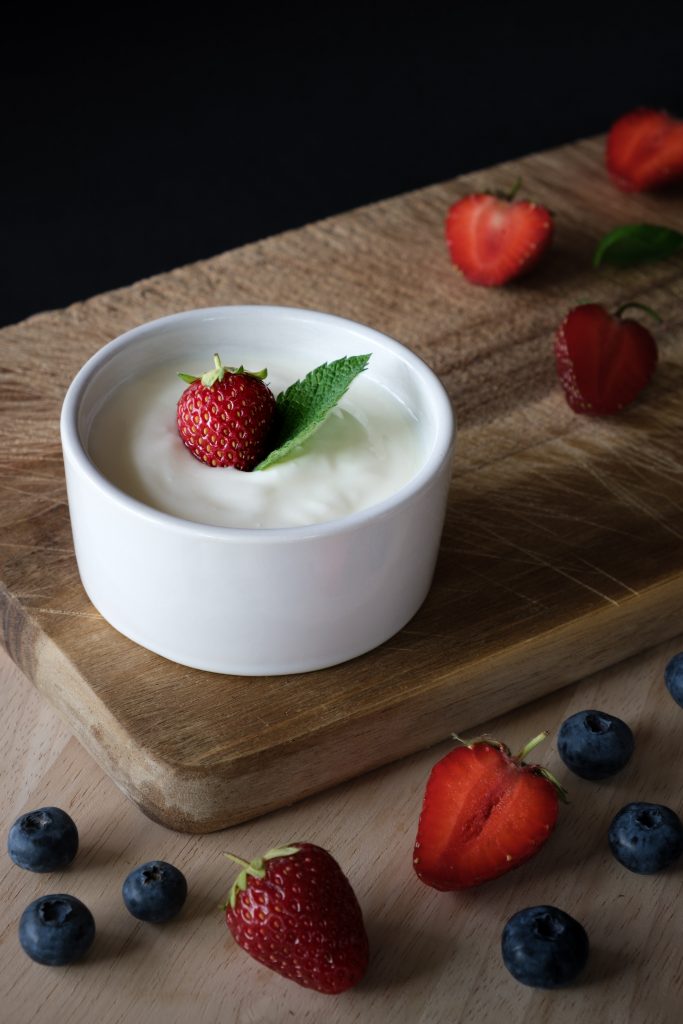
- Yogurt: Soothing, helps to rebalance the flora and feed the lining of the digestive system.
- Kefir: Contains even more probiotic microbes in it than yogurt. It helps to balance the friendly bacteria in your gut and supports digestion.
- Jerusalem artichoke: Provides a rich source of inulin that creates healthy bacteria in the gut.
- Butter: Contains butyric acid, a short-chain fatty acid, that helps to protect the integrity of the intestinal lining.
- Cabbage: Cabbage juice, especially, is very healing for intestinal healing and helps to decrease inflammation in the gut lining. Add 4 oz to your favorite green juice if cabbage juice on its own makes you squeamish!
- Sweet potato: Rich in fiber and resistant starch which help to feed the healthy bacteria in the gut.
- Okra: Provides fiber and helps to soothe the digestive tract.
- Sauerkraut: Stimulates healing and food for the gut lining. Studies show that a batch can contain up to 28 bacterial strains, which is more than your average probiotic! 3
- Aloe vera: Soothing and healing to the digestive tract, restores tight junctions in a “leaky gut” and helps with constipation. Look for juices that have the outer leaf removed.
- Bone Broth: Soothing to the digestive tract and supporting the integrity of the intestinal lining. If you want, add some grass-fed butter and unrefined sea salt to it. Or choose some of these other add-ins for extra flavor: scallion and garlic, Italian seasonings and lemon, ginger, and lime.
- Ginger: Promotes elimination of gas, and is relaxing and soothing to the digestive tract.
Having an abundance and wide variety of good “gut bugs” in your body provides great resilience in your health. The function of the microbiome is far-reaching, acting as a major part of your immune system, affecting weight, mood, nutritional status, aging, and providing protection from pathogens.
Looking at all the ways that you can improve your gut health provides a lot of hope, but also can sometimes be overwhelming. These changes don’t have to happen overnight. I encourage you to start with one or two changes and incorporate those into your life. It often doesn’t take long to benefit from even small changes!
What have you found to be healing for your gut? Feel free to share so we can all learn from one another.
References:
- Guinane, C. M., & Cotter, P.D. (2013). Role of the gut microbiota in health and chronic gastrointestinal disease: understanding a hidden metabolic organ. Therapeutic advances in gastroenterology, 6(4), 295-308.
- Restorative Wellness Solutions. Digestion-Anatomy and Physiology. [PDF File]. 2020. P 12.
- Lu, Z., Breidt, F., Plengvidhya, V., & Fleming, H. P. (2003). Bacteriophage ecology in commercial sauerkraut fermentations. Applied and environmental microbiology, 69(6), 3192-3202.
Leave a Reply