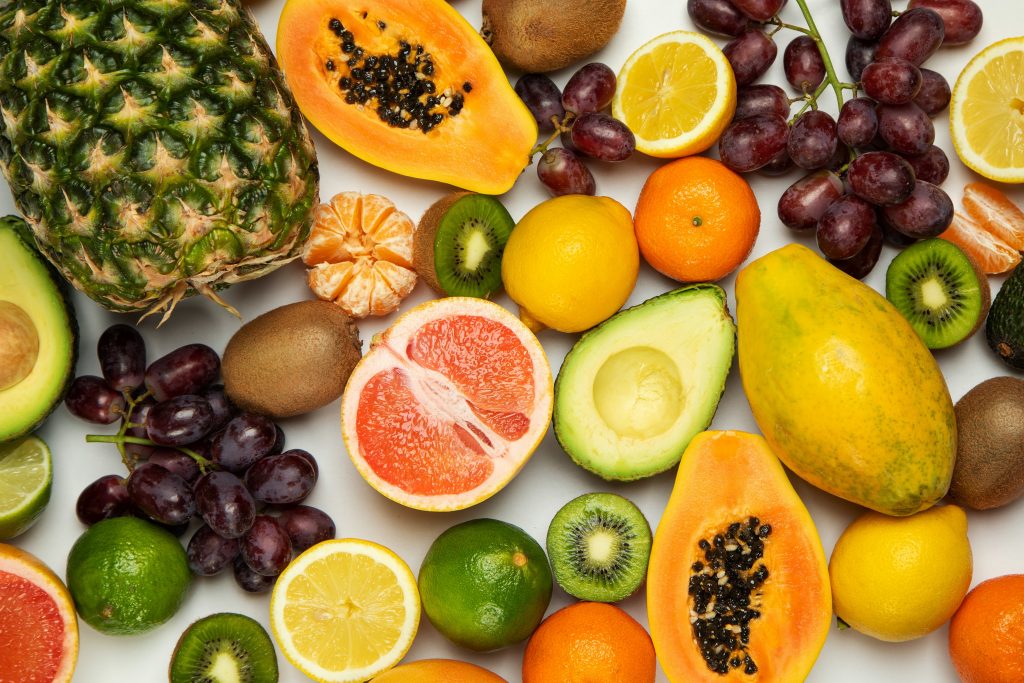
What are Digestive Enzymes?
Enzymes are proteins that help speed up chemical reactions in the body and affect every single function of the body. Most of our digestive enzymes are produced in the pancreas, but there are also foods that contain enzymes.
They assist in breaking down food into beneficial nutrients through the key role they play in digestion. Digestive enzymes are super important for the digestion of your food.
They assist with breaking down carbohydrates, proteins and fats into particles that can be easily absorbed. Without the proper breakdown of these food groups, it will be very difficult to absorb nutrients from your food, and malabsorption and nutritional deficiencies can result.
3 Types of Enzymes
- Proteases for protein digestion
- Amylases for carbohydrate digestion
- Lipases for fat digestion
Digestive Enzyme Deficiencies
Due to our modern diet, we consume mostly cooked and processed foods, missing out on many of the benefits of enzymes through our diet.
Because of our modern diets, many people have enzyme deficiencies, not allowing them to digest their food adequately. When food doesn’t get digested and absorbed properly, unwanted symptoms can also occur like bloating, gas, constipation, diarrhea, heartburn and more. See my blog Ten Signs You May Be Lacking Digestive Enzymes for more information.
For Some, Food Won’t Be Enough
Some people may need extra support through the use of supplements. Digestive bitters are very supportive in helping to release digestive enzymes. I love Urban Moonshine Digestive Bitters and Organic Olivia Digestive Juice.
And yet others can benefit from a digestive enzyme supplement. These contain one, or a variety of enzymes that are meant to be used temporarily for your lack of enzymes so you can better digest and absorb your food. This is my favorite digestive enzyme.
For guidance, consider working with a gut health practitioner who can help you assess when targeted supplement are needed.
Why Enzyme-Rich Foods are Best Raw
Enzyme-rich foods are a great help for digestion, especially fresh, locally grown foods or fermented or cultured foods. These foods contain the most optimal enzyme levels.
Enzymes are heat sensitive and can be destroyed when heated above 118 degrees Fahrenheit so they are best eaten raw or at a low heat.
When these foods are eaten raw, enzymes are in abundance, and are very helpful in starting the process of digestion in the mouth and stomach. When we chew our food, amylase in saliva begins the process of digestion. The process is continued in the stomach as food mixes and churns by the action of contractions. A variety of enzymes that are called on for complete digestion of food is not released until further in the digestive process in the small intestine.
So, let’s learn about some of the foods with the highest naturally occurring enzymes…..
12 Enzyme-Rich Foods
Pineapple
Contains bromelain, which helps to break down proteins into amino acids, building blocks for our muscles, connective tissues and other enzymes. It’s helpful with dysfunction in the pancreas and small intestine.
Papaya
Contains papain which also helps with protein digestion. Studies have shown it to also be helpful with constipation, bloating and other symptoms of IBS.1
Mangoes
Contains amylase which helps to break down carbohydrate so that they are more easily absorbed by the body. Amylases are created by the pancreas and salivary glands. When you chew your food thoroughly, salivary amylase is released and helps to start break down carbs before they even hit the stomach. This results in better digestion and absorption.
Bananas
Contains the enzymes amylase and maltase, which help to break down complex carbs, like starch into more easily absorbed sugars.
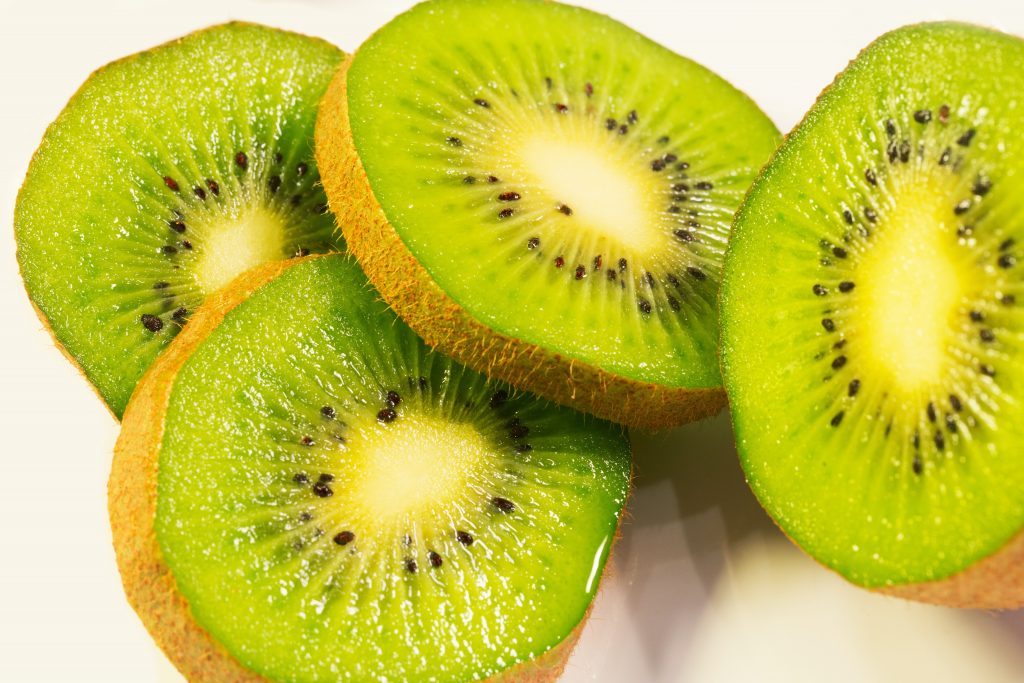
Kiwi
Contains the enzyme actinidin which helps to digest protein, gluten and gelatin. Studies have shown that it has been helpful as an alternative to laxatives and mild constipation.2
Figs
Contain the enzyme ficin which helps to break down protein into amino acids. Figs contain an enzyme similar to the enzymes found in pineapple and papaya.
Honey
Raw honey contains the enzymes diastases, invertases, and proteases. Choose raw honey, as it is not exposed to high heat.
Avocados
Contains the enzyme lipase. This enzyme helps break down fat molecules into smaller fatty acids.
Ginger
Contains the enzyme zingibain, which is a protease. It helps break down proteins into amino acids.

Kefir
Contains many digestive enzymes including lipase, protease, and lactase, as well as billions of probiotics. The fermentation process allows the beneficial bacteria to digest lactose, or natural sugars, in milk.
Sauerkraut
Another fermented food that helps with digestion and a healthy gut microbiome and immune system. It contains the digestive enzymes lipase, protease and lactase. You only need a tablespoon at a meal of this powerful probiotic that is full of digestive enzymes. Wildbrine raw organic sauerkraut is a great source.
Kimchi
As with sauerkraut and kefir, the process of fermentation helps produce healthy bacteria which supplies enzymes and nutrients. It contains bacteria that produce proteases, lipases and amylases. These enzymes digest proteins, fats, and carbohydrates. Besides supporting digestion, it boasts many other health benefits such as being an antioxidant, anticancer, can reduce cholesterol, anti inflammatory, immune health, skin health and brain health.4
Digestive enzymes are proteins that break larger particles like proteins, fats and carbohydrates into smaller particles that are easier to absorb.
When you have a deficiency in enzymes, food is not absorbed well and malabsorption and nutrient deficiencies occur.
If you are looking for more tips on how to support and optimize your digestion, download my free guide.
References
- Muss, C., Mosgoeller, W., & Endler, T. (2013). Papaya preparation (CaricolR) in digestive disorders. Neuro endocrinology letters, 34(1), 38-46.
- Wilkinson-Smith, V., Dellschaft, N., Ansell, J., Hoad, C., Marciani, L., Gowland, P., & Spiller, R., (2019). Mechanisms underlying effects of kiwifruit on intestinal function shown by MRI in healthy volunteers Alimentary pharmacology & therapeutics, 49(6), 759-768.
- Shahbazi, R., Sharifzad, F., Bagheri, R. Alsadi, N., Yasavoli-Sharahi, H., & Matar, C. (2021). Anti-inflammatory and Immunomodulatory Properties of Fermented Plant Foods. Nutrients, 13(5), 1516.
- Park, K. Y., Jeong, J. K., Lee, Y. E., & Daily, J. W., 3rd (2014). Health benefits of kimchi (Korean fermented vegetables) as a probiotic food. Journal of medicinal food, 17(1), 6-20.
Leave a Reply