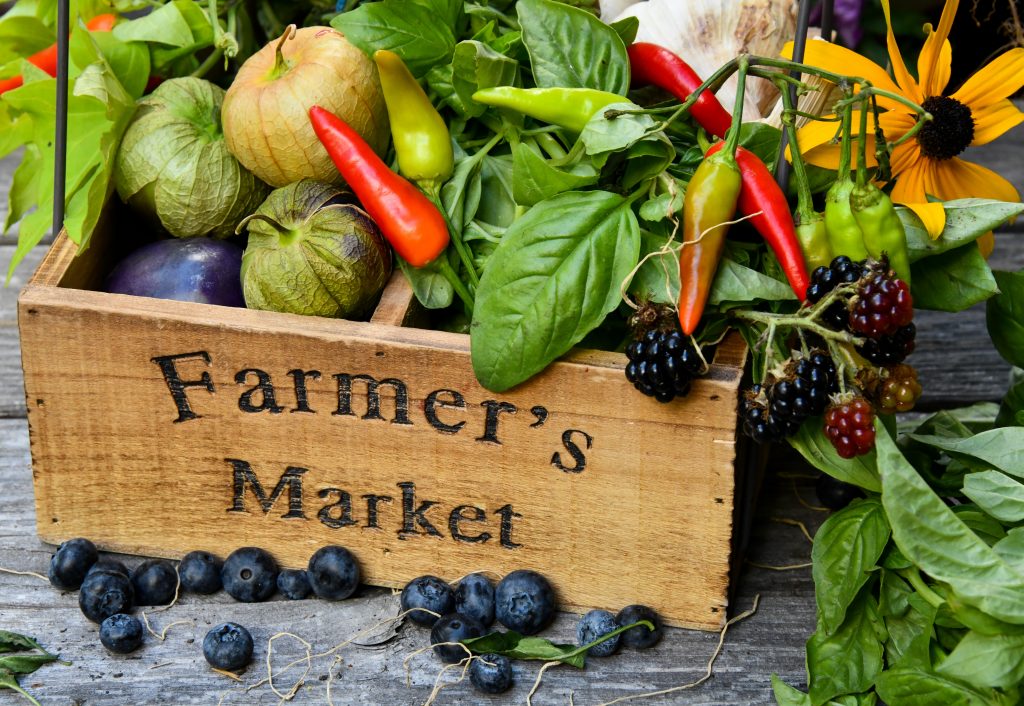
Why does quality matter when it comes to our food?
“Maximizing nutrient density should be the primary goal of our diet because deficiencies of any of these essential nutrients can contribute to the development of chronic disease and even shorten our lifespan.”:
Chris Kresser
High-quality, or nutrient-dense foods, provide us with the necessary macronutrients and micronutrients we need for our bodies to supply us with energy and the necessary building blocks to function well. We should aim for a balance of carbohydrates, proteins, and fats in our meals. Our ratios of each may look different from one another, as we are unique individuals with different requirements according to our activity and stress levels, and age.
Additional benefits and sourcing
Finding local and sustainable foods go a long way in providing more nutrient value, as well as supporting your local farmer, the environment, and animals. If you are able, try to purchase organic produce, organic grass-fed or pasture-raised meats, and organic and pasture-raised eggs.
But, what if you are on a limited budget and you are wondering how you can possibly afford to eat nutrient-dense foods?
Here are 10 strategies to help you afford to eat high-quality food on a limited budget
- 1. Eat seasonally. Foods are more reasonably priced in season than out of season.
- 2. Look for a farmer’s market in your area. They typically don’t price food as high as grocery stores, and are fresher and more nutrient-dense, and support local growers. Bonus tip: If you go near the closing time of the market, you can sometimes get foods marked down even further.
- 3. Consider growing your own produce. If you can’t afford the room for a full garden, consider container or windowsill gardening.
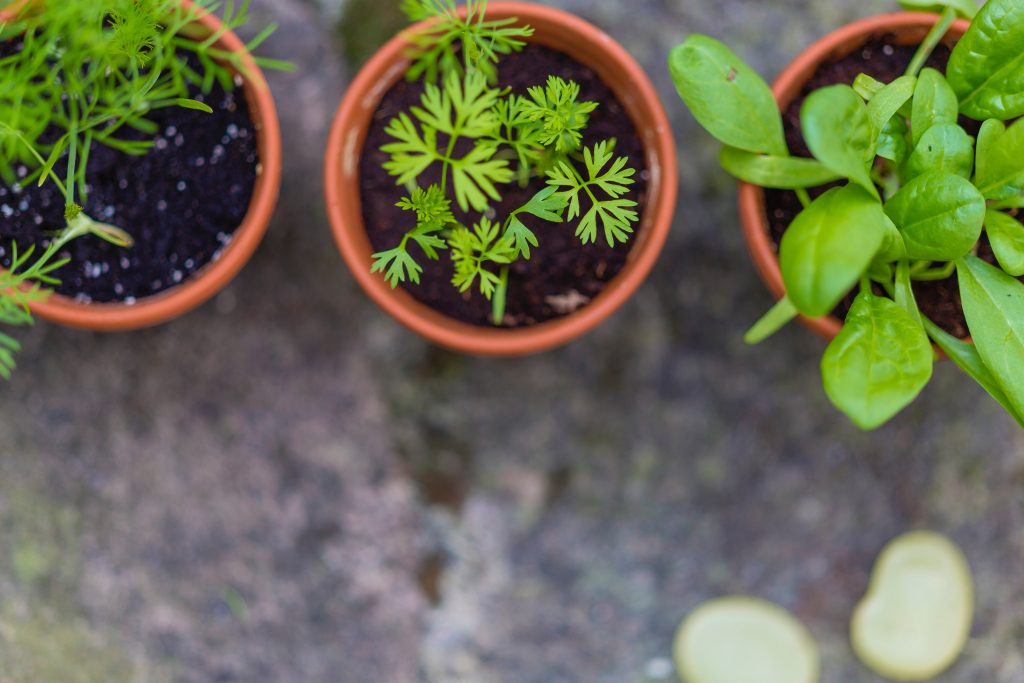
- 4. If you don’t have room to garden at home, check your area for a community garden. They are a low-cost option.
- 5. CSA’s (Community Supported Agriculture) frequently offers a discount on shares in exchange for volunteer labor.
- 6. If you can’t afford organic produce at the grocery store, refer to the Environmental Working Group’s “Clean Fifteen” and “Dirty Dozen”, a list of produce with the least and most pesticide residues. This can help you prioritize which produce to buy.
- 7. Purchase organ meats. This might surprise you, but liver is one of the most nutrient-dense foods! It boasts so many benefits including being a high-quality protein source, contains B vitamins, folic acid, vitamin A, trace minerals, CoQ10 which is especially beneficial for heart health. It also supports energy and is a highly usable form of iron. If you’re not accustomed to organ meats, you could try adding 1/4 pound liver to a pound of ground beef. This can be more palatable when first starting out, and your family may not even notice!
- 8. If tolerated, add whole grains and pulses (beans, lentils, split peas, and chickpeas) to meat dishes. This can help to stretch your budget. Soaking them in warm water helps to neutralize the anti-nutrients that they contain, and make them more digestible.

- 9. Consider fermenting your own food. Fermented foods, like yogurt, kefir, and sour cream help boost a healthy gut microbiome and strengthen your immune system. Vegetables like carrots, garlic, beets, and cucumbers can also be fermented and offer high-flavor additions to your meals. Basic fermenting requires very few supplies and is low-cost.
- 10. Meal plan. Meal planning decreases the temptation to buy more expensive things at the last minute on a busy day, and can help you take advantage of the current sales. It also increases the likelihood that you will be including more nutrient-dense foods in your meals.
Eating high-quality, nutrient-dense foods doesn’t have to be a financial burden. Try adopting some of the above ideas and keep in mind that any change, even small, will help to start feeding your body the nutrients it needs to flourish.
Which one of the ideas will you try? I’d love to know!
References:
- Kresser, C. (2018, September 27). What Is Nutrient Density and Why Is It Important? Chris Kresser. https://chriskresser.com/what-is-nutrient-density-and-why-is-it-important/
- Nutritional Therapy Association. (2020). Basics of Nutrition Student Guide [PDF document]. Retrieved from: https://www.nta.brightspace.com/d21/le/content/10548/viewContent/115536/View
- Nutritional Therapy Association. (2020). Culinary Wellness Pt. 1 Student Guide [PDF document]. Retrieved from: https://www.nta.brightspace.com/d21/le/content/10548/viewContent/1155533/View
Leave a Reply