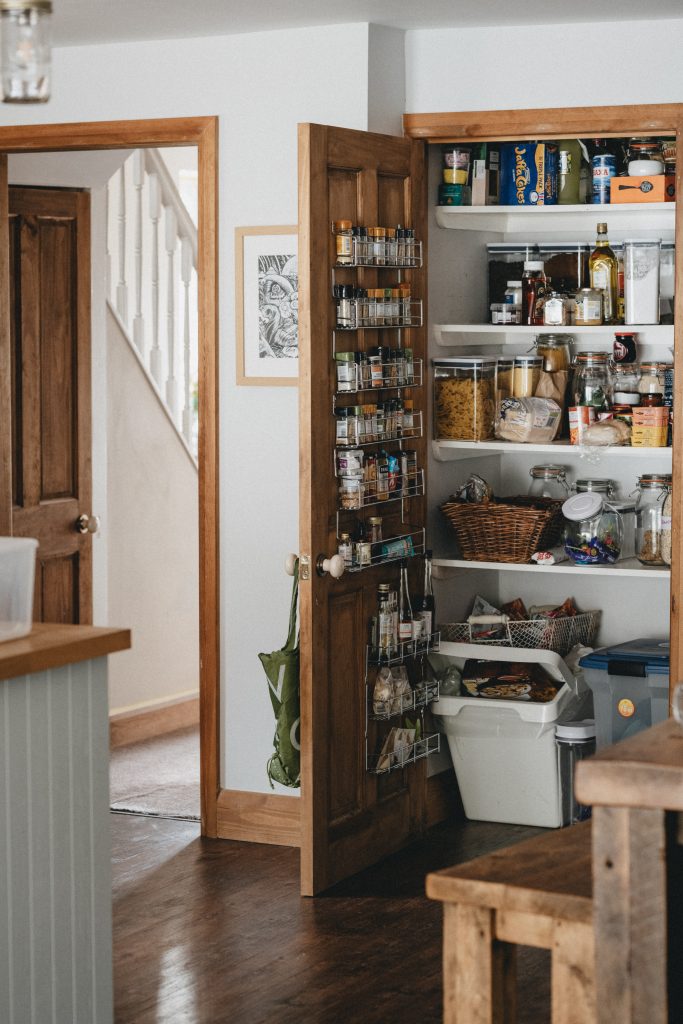
Gut health is an important aspect of overall health and wellness. Your gut is connected to every major system in the body. 1 It affects digestion, immunity, hormone balance, and even emotional health. Though fresh foods are the most nutrient-dense and beneficial for optimal gastrointestinal health, our busy schedules do not always allow us to eat fresh foods all of the time. This is why it’s important to include looking at foods in your pantry as well.
Changes don’t have to be done overnight
Making changes to your pantry can be done in phases for financial and time reasons. Doing it in phases also gives you time to make a switch in incorporating a new food into your diet and home.
Here are some tips on how to make the switch to gut-healthy food items in your pantry:
- Use up or get rid of any food item that is getting old. If it is edible or near the end of its life, use it. If it doesn’t smell right, is expired, stale or mold, lose it. Also consider applying this to your spices, as old spices lose much of their nutrients and flavor.
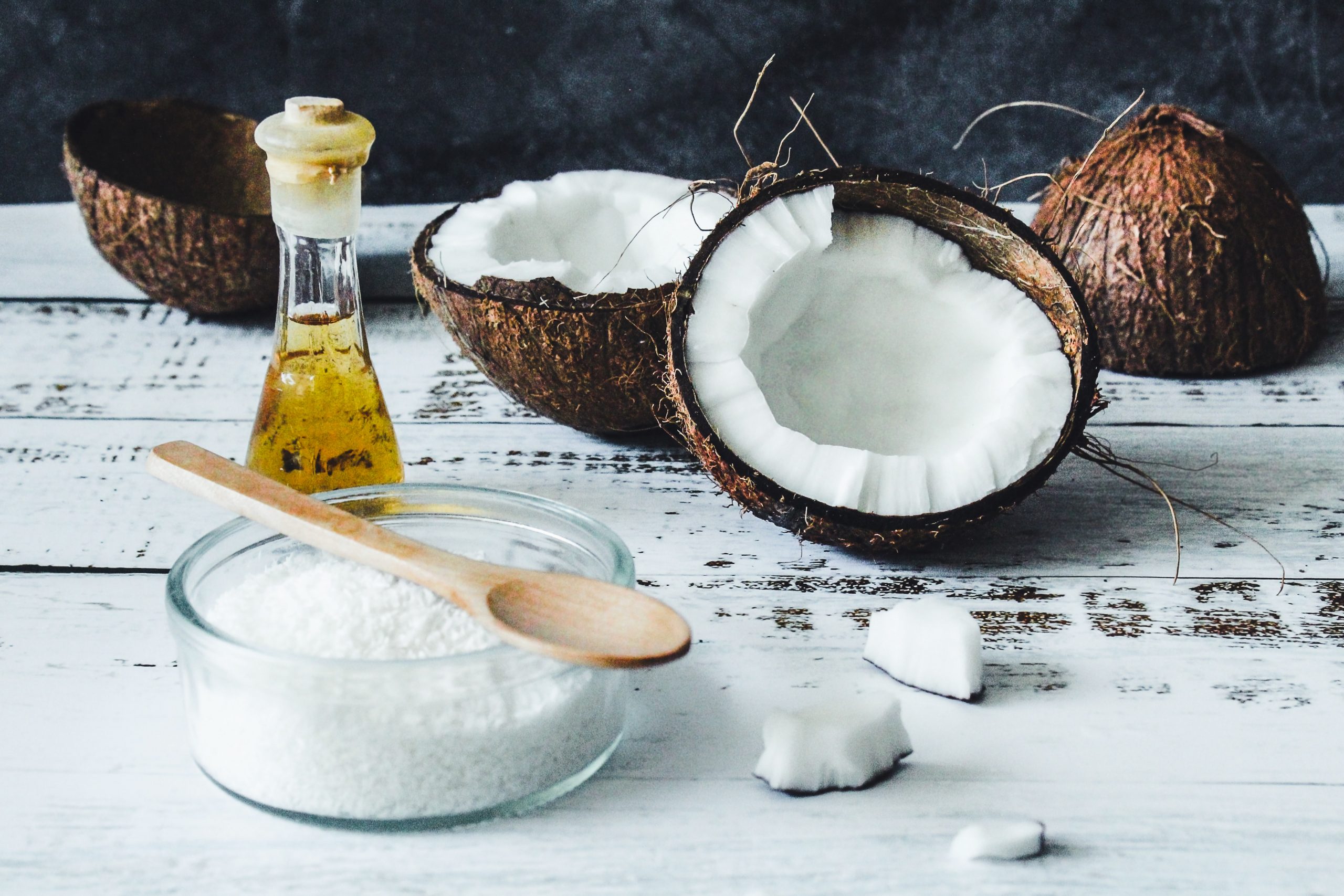
- Assess your fats. One of the best ways to move the needle on your health and affect it down to the cellular level is to remove refined vegetable oils and replace them with nourishing fats that your body can digest and utilize well. 2
- Ditch the vegetable oils from the pantry: canola, safflower, sunflower, cottonseed, soybean, corn, peanut, rice bran, margarine, and any “vegetable” oils.
- Replace with ghee, coconut oil, avocado oil, olive oil, tallow, lard, duck fat.
- Look at the packages in the pantry that have these vegetable oils, as well as products with “hydrogenated” or “partially hydrogenated” in them. These fats cause free radical damage to our cells.
- Get rid of the chemicals. The list of manmade chemicals being added to our food today is astonishing. Artificial sweeteners and flavorings, “natural flavors”, thickening agents/gums, food dyes, MSG are fake ingredients that cause harm to the systems in our bodies and are void of nutrients. Ingredients shouldn’t be unrecognizable, or hard to pronounce and come with numbers (yellow #5 for example) attached to them. If you see this, try and steer clear.
- Know your sugar names. I know how this one can be tough to make changes with! I was once a sweet tooth, dessert devotee, and lover of candy, reaching for it for energy almost every afternoon. But the only place it got me was a trip to Tired Town. It stole my energy and often left my mood low. I do believe that treats are part of a sustainable diet, but there are some forms of sugar that would be very beneficial to leave out or greatly minimize.
- Sweeteners to avoid:
- High fructose syrup
- Artificial sweeteners, ie Sucralose, Aspartame, Saccharin, Xylitol, Acesulfame K, Sortbitol
- Bleached cane sugar
- Other synthetic sugars: ie invert sugars, dextrose, maltose, maltodextrin
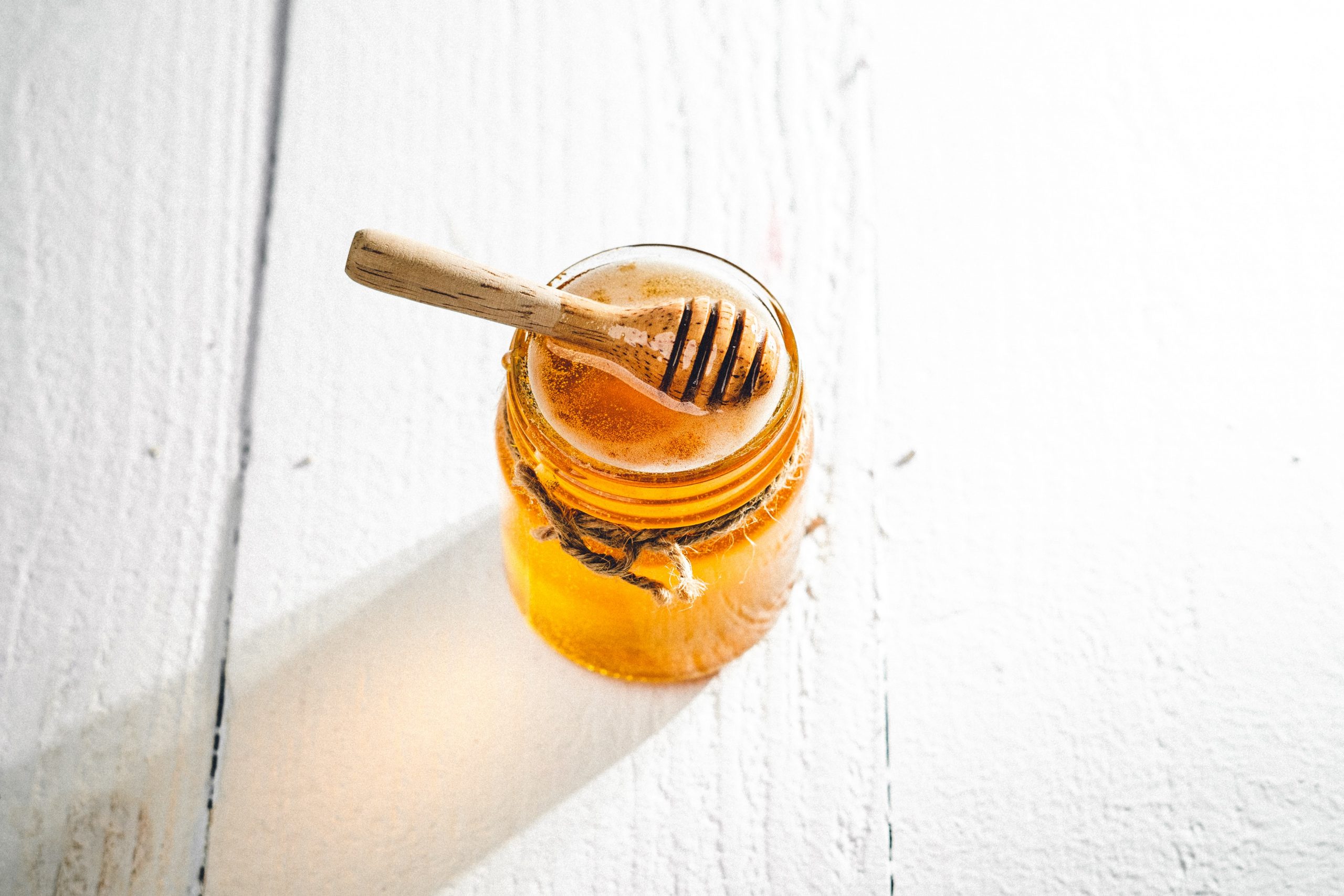
- Sweeteners to include:
- Honey
- Maple syrup
- Coconut sugar
- Unprocessed forms of cane sugar (turbinado, sucanat)
- Swaps for refined grains. Bleached white and wheat flours enriched with synthetic vitamins and minerals is not a whole, nourishing food and is nutritionally empty. If you tolerate grains, you can consider swapping white-based flours for:
- Sprouted
- Use a sourdough process
- Versions made with traditional grains, such as einkorn, sorghum, kamut
- Pseudo grains like quinoa, amaranth, and buckwheat
- If you don’t tolerate grains, some good alternative flours include:
- Almond
- Coconut
- Cassava
- Tigernut
- Tapioca
- Arrowroot
Recap
When eating to nourish your gut and body, it’s always preferable to include as many fresh foods as possible, but if you’re living in the real world, we know that life can get busy and time doesn’t always allow for making a homemade meal with fresh ingredients. That’s where having a pantry stocked with gut-healthy staples can be beneficial. These are foods that are pre-made or packaged but still made from nourishing ingredients. They are not filled with artificial preservatives, unhealthy oils, chemicals, and refined sugars.
It doesn’t have to be overwhelming
Making changes in your diet can sometimes feel overwhelming. Making swaps in your pantry items can be done in phases, making changes gradual and less overwhelming. With time, you’ll find that your gut and overall well-being will benefit!
Are you ready to start making some healthy changes to your pantry items? What area do you feel most ready to start with?
References
- Restorative Wellness Solutions. Digestion Anatomy and Physiology. [PDF file]. 2020. P 1.
- Nutritional Therapy Association. Culinary Wellness Pt 1 Guide. [PDF file]. 2020. P 143.
Leave a Reply