
Figuring out what to eat for a healthy gut can be confusing and overwhelming. I know friend, I’ve been there too. Searching Google can feel like you’re filtering through a sea of information. You’ll find dozens of diet recommendations, many of which cut out lots of whole foods. If followed for too long, can lead to nutrient deficiencies, additional food sensitivities, food fear and an imbalance in good gut bacteria.
Other things to consider besides an elimination diet
I’m not against elimination diets for a period of time when they are paired with supporting the foundations of health (digestion, blood sugar balance, mineral balance, fatty acids, hydration, sleep and stress) and looking at the whole picture of gut health. Much of the time food is not at the root of dysfunction, but instead the state of the gut terrain, external stressors, the state of your nervous system, and stress. Functional testing can also be helpful in order to further assess how your gut microbiome is functioning and what blocks to healing may be present. Read this article to learn more about the GI MAP. I also offer the MRT Food sensitivity test that can help to identify those foods that are triggering inflammation in your body.
Nutrition should fit your individual needs
I believe there is no one-size-fits-all diet for everyone and it’s essential to modify nutrition to your own individual needs. However, I have found that a good place to start in regard to eating for gut health for most people is to use a nutrient-dense, properly prepared, whole-food diet as your template. From there, individual modifications can be made as needed.
When we focus on including nutrient-dense, properly prepared, whole foods that are naturally full of vitamins, minerals, antioxidants, fatty acids and amino acids, it provides the body with fuel and critical building blocks for maintaining balance and resilience. Including foods that are easy to digest, satiating, and nourishing to the gut microbiome and lining are very healing.
Things to Avoid
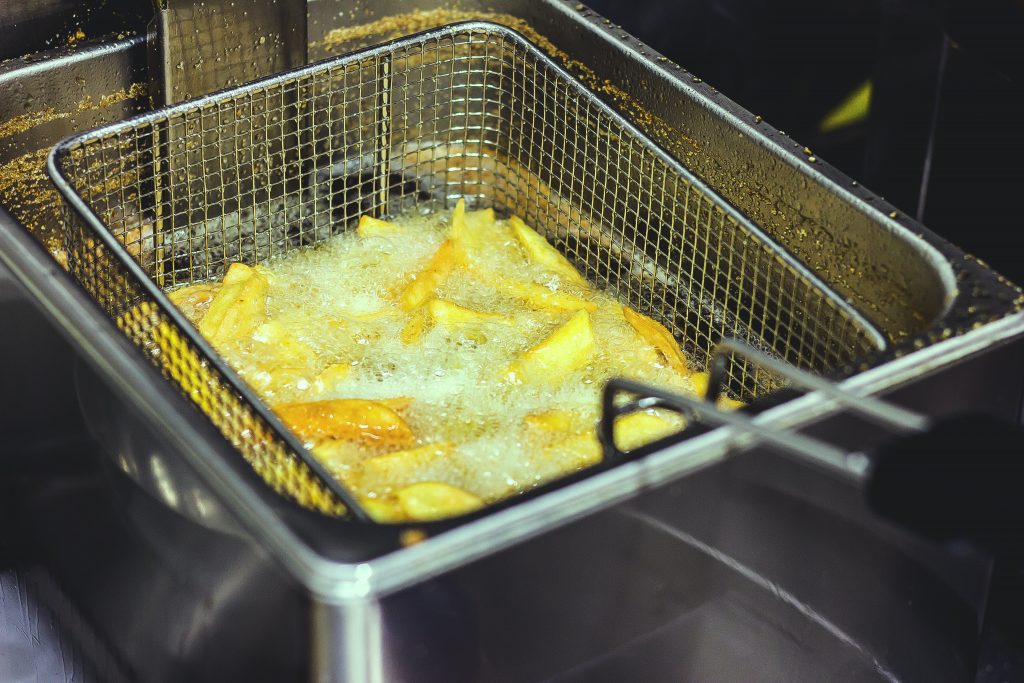
When focusing on nutrient density, there are some things we need to avoid that can be inflammatory and damaging to the gut lining.
- Seed oils: Canola or rapeseed, corn, cottonseed, soybean, sunflower, safflower, rice bran
- Vegetable oil
- Highly processed foods
- Artificial sweeteners
- Sugar alcohols (sorbitol, erythritol)
- Gums (guar gum, xantham gum)
Foods high in nutrient density
Proteins
Every tissue of the body is built and repaired with it. Amino acids are proteins’ building blocks and serve many roles, not just building muscle. They create antibodies to help your immune system function, form hormones, and create hemoglobin. Enzymes are made from amino acids and are involved in every function of the body.
There is a difference in proteins
Not all protein is created equal. While some plant proteins are healthy, high-quality protein from animal sources is much more bioavailable and includes all of the essential amino acids necessary for optimal health.1
Bioavailable sources of protein include:
- Grass-fed finished, and organic when possible: beef, lamb, bison, pork, game meats
- Grass-fed finished, and organic organ meats
- Pasture-raised chicken, turkey
- Pasture-raised eggs
- Wild-caught fish and seafood
Carbohydrates
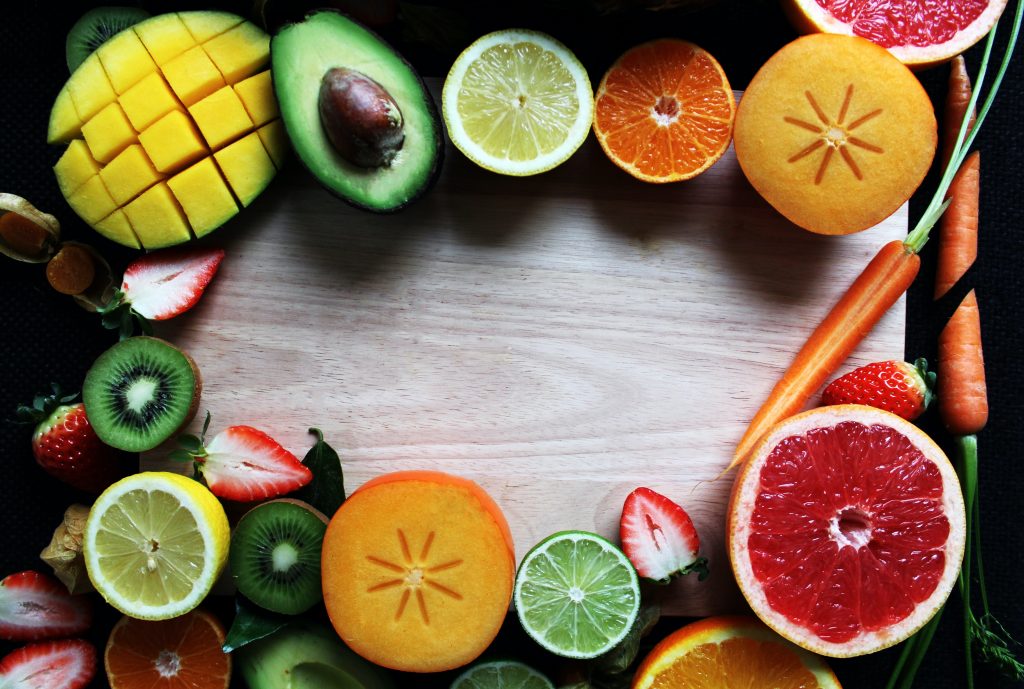
As a fiber, they help provide fuel for your microbiome and support the elimination of waste. When paired with fat and protein, they help fight infections, create tissue and lubricate your joints. If fiber is not tolerated well, be sure to cook those foods.
When buying all organic is not possible
I recommend organic fruits and vegetables, however, if this is not affordable, the Environmental Working Group puts out a report each year listing the fruits and vegetables with the most and least pesticide residues.
Healthy carbohydrates include (not a comprehensive list):
- Potatoes
- Sweet potatoes
- Squash
- Beets
- Parsnips
- Carrots
- Fruit
- Leafy greens
- Broccoli
- Cauliflower
- Cabbage
- Brussel sprouts
- Bell peppers
- Asparagus
- Celery
- Green beans
- Garlic
- Onions
- White rice
- Sourdough bread (if tolerated)
- Gluten-free oats
- Legumes
- Honey
- Raw 100% grass-fed dairy, such as milk, kefir, and yogurt
Anti-nutrients
Regarding legumes, grains, seeds, and some nuts: They contain anti-nutrients, including phytic acid, which can bind to minerals and prevent their absorption, as well as enzyme inhibitors that contribute to preventing the breakdown of starches and proteins.
Soaking, sprouting, and fermentation methods
Using an ancestral approach, we can neutralize most anti-nutrients and improve digestibility by utilizing soaking, sprouting, or fermentation methods, and still enjoy these foods as part of a nutrient-dense diet, if tolerated. In the beginning, a person may need to put these foods aside and revisit them as more gut healing occurs.

Fats
Fats from both animal and plant foods provide helpful building blocks for hormones and cells, provide a good energy source, help balance our inflammatory response and increase satiety.
Healthy fats include:
- Butter
- Ghee
- Coconut oil
- Olive oil
- Olives
- Avocado oil
- Avocados
- Tallow
- Lard
- Duck fat
- Nuts and seeds, properly prepared
Probiotic and Fermented Foods
These foods add beneficial bacteria to your digestive tract, balance bacteria, and supply digestive enzymes.
Fermented foods to include:
- Raw kimchi
- Raw sauerkraut
- Raw beet kvass
- Pickles
- Kefir
If you have histamine intolerance, limit the amount of fermented foods you eat until your gut is more fully healed.
Meat stock and bone broth:
Meat stock is very helpful in healing the lining of the gut, very soothing to the digestive system, and can be very helpful at the beginning of gut healing. It is composed of gelatin and free amino acids, proline, and glycine. Meat stock is not cooked as long as bone broth.
Bone broth is a great source of minerals and amino acids found in meat stock. The amino acids in bone broth are higher in proportion to meat stock. Sometimes people are not able to tolerate bone broth due to the high amount of glutamic acid. If this is the case for you, concentrate on meat stock in the beginning stages of gut healing, and later try bone broth, after more healing has occurred.
Recap
This is not a comprehensive list of nutrient-dense foods, but it is a great starting place for incorporating foods that build gut health and resilience. It will help provide you with a template that provides the body with fuel and critical building blocks for maintaining balance and resilience, as well as nourishment to the gut lining and microbiome.
It doesn’t have to be changed overnight
If changing to eating nutrient-dense foods sounds overwhelming, start small. Take out seed oils, or start adding in more vegetables. You can make big changes to your health over time.
Are you up for adding more nutrient-dense foods to your diet? What are you going to start with? I’d love to hear!
References:
- Nutritional Therapy Association. Basics of Nutrient-Guide. [PDF file]. P 13.
Leave a Reply