
The gut does so much behind-the-scenes work for your entire body, but it doesn’t always get a lot of attention. Some of the important work it does is taking care of digesting food, absorbing nutrients, and helping keep a good balance of bacteria that has a huge influence on your vitality and well-being. But, how do you know if this incredible system in your body is in need of some love?
Here are some signs to be aware of:
- Digestive symptoms: Ongoing bloating, gas, constipation, or diarrhea are red flags that your gut is trying to tell you something. These symptoms may be signaling that there’s an imbalance of bacteria in your gut or digestive dysfunction.
- Skin issues: The health of your gut is directly associated with the health of your skin. If you have acne, eczema, rashes, or psoriasis, this is often a sign that your gut is in need of some TLC.
- Emotional instability: Studies have shown that an imbalance in gut bacteria can influence mental health. If you are experiencing anxiety, irritability, or mood swings, your gut may need some attention.1

- Food sensitivities: Do you feel bloated and gassy, nauseated, constipated, have joint pain, or have chronic fatigue? These are some of the symptoms that can be associated with food sensitivities. Food sensitivities often accompany “leaky gut”, where foods end up passing through the gut lining into the bloodstream. This sets your immune system off, leading to increased inflammation in your body.
- Chronic fatigue: If you’re feeling tired and worn out, it may be an indication of not absorbing nutrients from your food. Poor nutrient absorption leads to fatigue.
If you’re undergoing any of these symptoms, it may be time to give your gut some attention.
Here are some actions you can take to enhance your gut health:
- Reduce or eliminate inflammatory oils like seed and vegetable oils. Consuming these oils instead of healthy fats and oils contributes to essential fatty acid deficiency and results in inflammation.2
- Work on increasing the integrity of the gut lining: incorporate meat stock, bone broth, collagen, and colostrum.
- Chew your food to an applesauce consistency. Our stomachs don’t have teeth. When we chew our food well, it helps with releasing enzymes (mostly amylase) which helps to start breaking down food, and reduces the burden on the rest of the digestive system.
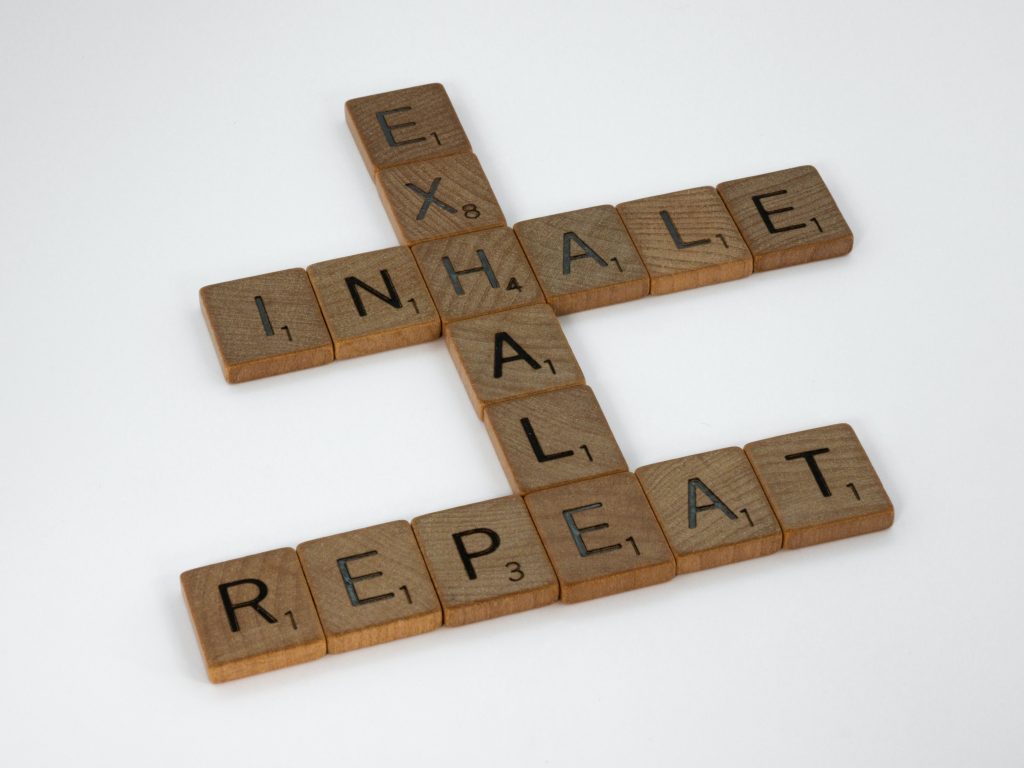
- Manage stress as much as possible. Take 5 deep breaths before each meal to support a parasympathetic nervous system to “rest and digest”. Read this blog for more ideas on how to get into a “rest and digest” mode.
- Eat a wide variety of vegetables and fruits. The more diverse of produce, the more food is provided for your beneficial gut bugs. The fiber in these foods helps promote a healthy balance of bacteria in the gut.
- Reduce processed foods and refined sugar. Regularly consuming processed foods and sugar can decrease the balance of bacteria in your gut, resulting in dysbiosis.
- Include probiotic foods: This helps promote a healthy balance of beneficial bacteria in the gut. Kefir, yogurt, beet kvass, sauerkraut, kimchi, and pickles are some great options!
Recap
Regularly giving your gut some love is vital for your overall health and well-being. By being aware of the signs that your gut may be in need of some TLC and taking action to support it, you can help make certain that your gut is functioning well and supporting your overall health and well-being.
If you are in need of some support with your gut health, I’ve got your back! I also offer functional testing, including the GI-MAP and MRT Food Sensitivity Test.
Set up a complimentary discovery call to see if we would be a good fit.
References:
- Foster, J. A., & McVey Neufeld, K. A. (2013). Gut-brain axis: how the microbiome influences anxiety and depression. Trends in neurosciences, 36(5), 305–312.
- Nutritional Therapy Association. Fatty Acids-Dysfunction. [PDF file]. 2020. P 5.
Leave a Reply