
Did you know that trillions of tiny living organisms in your gut play a key role in almost every aspect of your health?1 Our bodies are so intelligently created. From your immune system to your hormones to even the way your body ages, your gut microbiome is the rarely acknowledged hero working tirelessly behind the scenes.
In today’s fast-paced, modern world, however, many things can disrupt the balance leading to unwelcome symptoms and health issues. Understanding how to nourish and protect your gut microbiome is essential to uncovering better overall health.
What is the Gut Microbiome?
The gut microbiome is the collection of the “bugs” or microorganisms living in your gastrointestinal tract – bacteria, viruses, fungi, and parasites.
When it’s kept in balance, it serves our bodies well in so many ways.
The Role of the Gut Microbiome
The gut microbiome provides essential functions for our bodies. It serves as a major part of the immune system and protects us from diseases. It affects our mood, and nutritional status, influences the effects of drugs, and our rate of aging.
What Can Cause Damage to Our Gut Microbiome?
- Chronic stress
- Lack of sleep
- “Leaky gut” or intestinal permeability
- Low stomach acid
- Environmental toxins
- A diet high in processed carbs and sugar
- Overuse of antibiotics
- PPIs
- Oral contraceptives
- Smoking
Understanding these causes is crucial, but equally important is knowing how to strengthen and heal your gut microbiome. Thankfully, there are many powerful ways to build back your gut health and increase resilience.
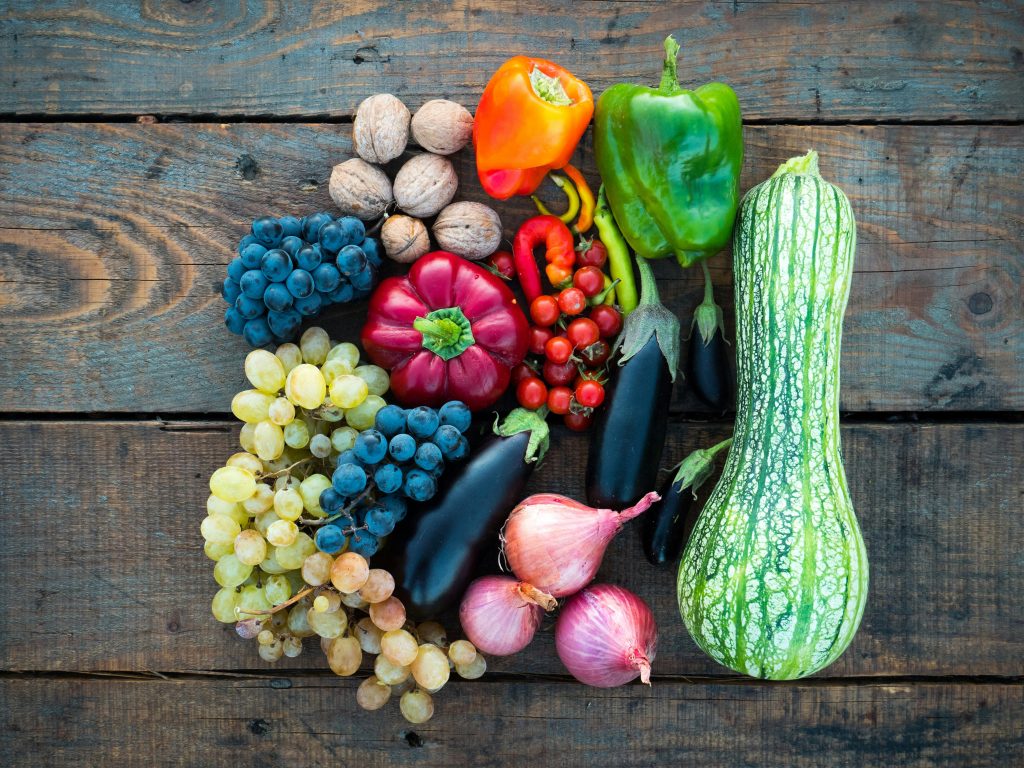
Here are 10 Powerful Ways to Nourish Your Gut Microbiome
- Eat a nutrient-dense diet, including a variety of prebiotic and probiotic foods to nourish and increase beneficial bacteria in your gut.
- Eat seasonally. This provides us with a wide variety of foods which helps build diversity of gut bugs and resilience of health.
- Allow 3 to 4 hours between meals for optimal digestion, repair, and absorption of nutrients.
- Work on stress reduction. Chronic stress leads to high levels of cortisol and inflammation of the gut. Stress can cause “leaky gut” and slow down, or speed up, the movement of food through the gut which can result in decreased beneficial bacteria.
- Minimize alcohol intake. Alcohol is known to disrupt the balance of bacteria in the gut microbiome, leading to dysbiosis.
- Avoid smoking. Smoking reduces diversity in the gut microbiome.
- Get outdoors in different natural environments. Going outside and interacting with nature can increase beneficial bacteria, as well as diversity.2
- Aim for light to moderate exercise daily to help support gut motility and microbiome health. This also increases diversity and the abundance of beneficial gut bugs.
- Support stomach acid. This helps support proper digestion, making sure levels of unhealthy gut bacteria stay in check.
- Reduce distractions at meal times – sit down to eat and thoroughly chew your food. This helps support proper digestion and prevent the overgrowth of bacteria down the line in the digestive tract.
While modern life presents us with challenges to keeping our guts healthy, you and I have the power to make choices that will strengthen this vital system. By eating a nutrient-dense diet, decreasing stress, getting daily movement, and making supportive lifestyle changes, we can build a resilient gut microbiome that will reward us long into the future.
If you have been dealing with chronic health issues and are interested in diving deeper into the health of your gut microbiome, functional lab testing alongside addressing the foundations, is a great way to cut to the chase and find targeted interventions for optimizing your gut health and overall wellness. It can truly be a game changer for getting after those pesky symptoms. Both the GI MAP Stool Test and Hair Tissue Mineral Analysis provide valuable insights for supporting the microbiome and overall gut health.
Click here to set up a complimentary discovery call to find out more.
Resources:
- Rinninella, E., Raoul, P., Cintoni, M., Franceschi, F., Miggiano, G. A. D., Gasbarrini, A., & Mele, M. C. (2019). What is the Healthy Gut Microbiota Composition? A Changing Ecosystem across Age, Environment, Diet, and Diseases. Microorganisms, 7(1), 14.
- Blum, W. E. H., Zechmeister-Boltenstern, S., & Keiblinger, K. M. (2019). Does Soil Contribute to the Human Gut Microbiome? Microorganisms, 7(9), 287.
Leave a Reply