
There is SO much information out there about how to heal your gut. It’s overwhelming sometimes. A popular misconception you hear about is using an elimination diet to solve your gut problems. Removing foods that are triggering inflammation in your body and burdening your immune system IS very helpful, but by itself, will not heal your gut.
Without also addressing WHY your gut is dysfunctional, progress is hindered.
Some of the reasons your gut may be not functioning properly:
- Eating in a stressed state
- Chronic stress
- Digestive dysfunction
- An imbalance in your gut, such as a fungal, bacterial, or a parasitic infection
- Inadequate sleep
- Overuse of alcohol
- Anti-inflammatory medications
- Overuse of antibiotics
- Birth control pills
- Inflammatory oils in your diet
- Environmental toxins
These can all affect the lining of your gut and cause gut permeability. When “leaky gut” or gut permeability starts happening, the tight junctions on the intestinal wall open up and allow particles of undigested food to enter the blood. Our immune system doesn’t recognize these undigested foods and treats them like invaders. This can often result in the creation of multiple food sensitivities. As you consume more of these offending foods, the villi of the lining of the small intestine become more inflamed and can cause further damage to the lining. Healing the gut involves both finding the root cause of dysfunction AND removing the offending foods temporarily to take the burden off of the immune system.1
I know firsthand how frustrating it can be to eliminate more and more foods without seeing progress with your gut health. I was once there. I thought that eliminating foods was the key to healing my gut, but it only resulted in adding more foods to my “unsafe list”. Until I could find out what was causing my gut to be dysfunctional, the elimination of foods didn’t help in making progress.
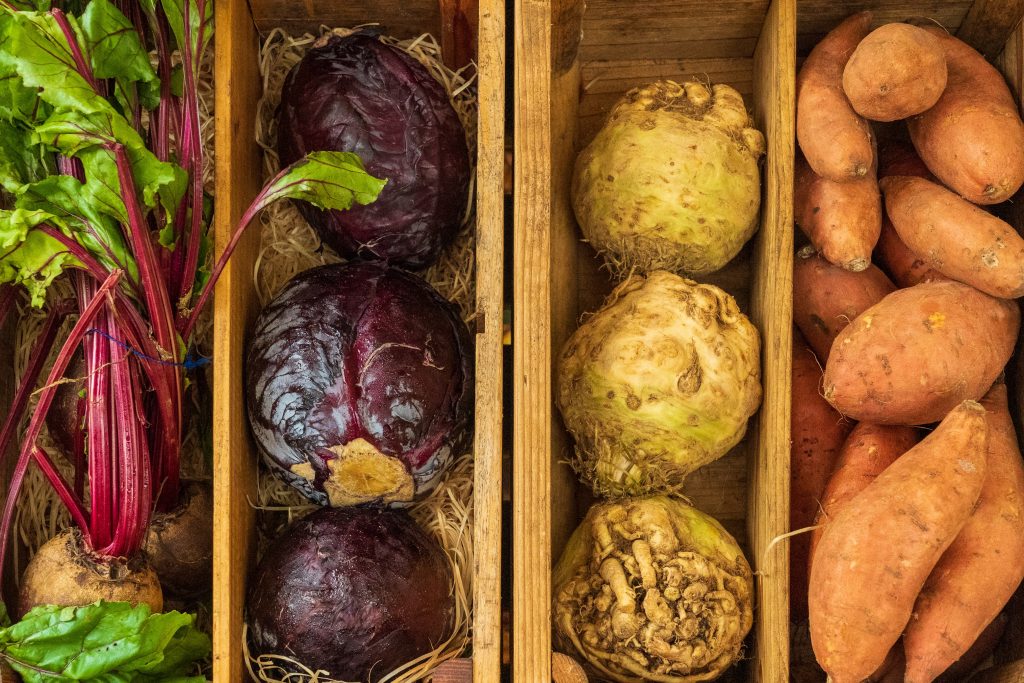
An important part of a gut healing protocol is also supporting the integrity of the gut lining. Here are some foods you can incorporate that do just that:
Foods containing zinc: oysters, meat, pumpkin seeds, seafood, eggs, oats, legumes
Foods containing vitamin A: fish, sweet potato, butternut squash, liver, cod liver oil, eggs, carrots, leafy greens, cantaloupe, and dairy (if tolerated).
Glutamine: found in bone broth, eggs, milk, cottage cheese, wild-caught fish, grass-fed beef, venison, turkey, corn, and rice.2
I offer functional lab testing, including the GI MAP and MRT Food Sensitivity Test. Testing can help cut to the chase, saving a lot of time and money in the long run. If you feel overwhelmed with all of the information out there about gut health, I understand and have been there! Set up a free discovery call if you want to chat about how nutritional therapy can help you.
References:
- Restorative Wellness Solutions. Digestion-Anatomy and Physiology. [PDF File]. 2020. P 19.
- Nutritional Therapy Association. Digestion-Practical Application. [PDF File]. 2020. P 16.
Leave a Reply