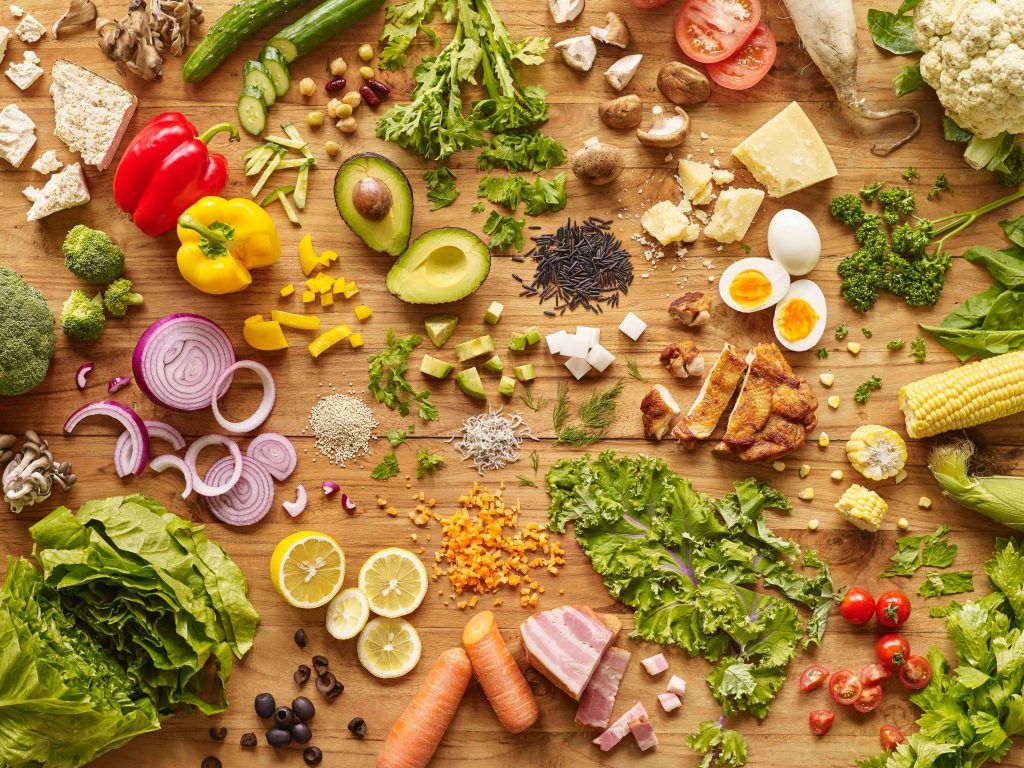
Have you ever found yourself more confused than ever about what to eat for a healthy gut after spending hours on Google? It can be discouraging when you find numerous diets promising to take care of your digestive troubles, but require you to take out more and more food groups. You wind up restricting more foods than you already had but not getting anywhere. Sound familiar? I can relate.
Result of staying on a restrictive diet for too long
While elimination diets or temporary restrictions can have their place, I tried some very restrictive diets and stayed on them for too long, causing more havoc on my gut in the long run. I was leaving out many foods that were important for laying a strong groundwork and building resilience in my gut. Read this article to find out why there is more to healing your gut than just an elimination diet.
Though fixing long-term gut issues requires more investigation, such as lifestyle factors, stress, digestive output, and possible underlying over growths or pathogens, getting the right nutrition into your body is a vital foundational place to start with…..and to continue with. A gut-healthy diet is one that focuses on nutrient density, including healing nutrients for the gut lining and microbiome, and that leaves you feeling well nourished.

So, how does a nutrient-dense diet benefit your gut?
- Provides a wide variety of foods into your diet. This results in a wider variety of nutrients. Your gut microbiome health is nurtured and food sensitivities are lessened when you avoid eating the same foods all the time. Adding at least one new fruit or vegetable to your diet each time you go to the store, and aiming to switch out meats, fish and seafood too, is very helpful.
- Fiber from plant foods (if tolerated) is nourishing and great fuel for your beneficial gut bugs. Fiber also helps to increase the speed at which foods leave the body through the digestive tract and helps eliminate toxins from the gut. Start low and go slow with fiber if it’s been difficult to add previously. If that is still not feasible, you may need to ensure you are cooking all of your vegetables for now.
- A nutrient-dense diet includes all the macronutrients, which serve as building blocks for your body and fuel for energy production. The macronutrients include protein, carbohydrates and fats. Animal proteins have also been shown to have a beneficial effect on the gut microbiome.1
- You receive micronutrients, or vitamins and minerals, from whole foods. Vitamins serve as cofactors or “helpers” with digestion, elimination, tissue growth, and more. Minerals are like “spark plugs” for your body and serve as helpers with proper nerve conduction, transferring nutrients across cell membranes, contracting and relaxing muscles, providing structure and functional support, and more. You need specific minerals like chloride, sodium, potassium, magnesium and zinc for the production of stomach acid, and some of the B vitamins for energy for those processes.2 Stomach acid functions as your body’s first line of defense against foreign invaders, and for breaking down protein into amino acids.
- Can better avoid “leaky gut” or gut permeability. When you build a plate with nutrient-dense foods, including a combination of macronutrients that’s in line with what your individual body needs, your blood sugar levels stay more stable and avoid sharp spikes. This helps you avoid triggering the release of stress hormones, like cortisol. When you avoid a consistent release of cortisol, the tight junctions in your gut lining are better protected from becoming permeable.
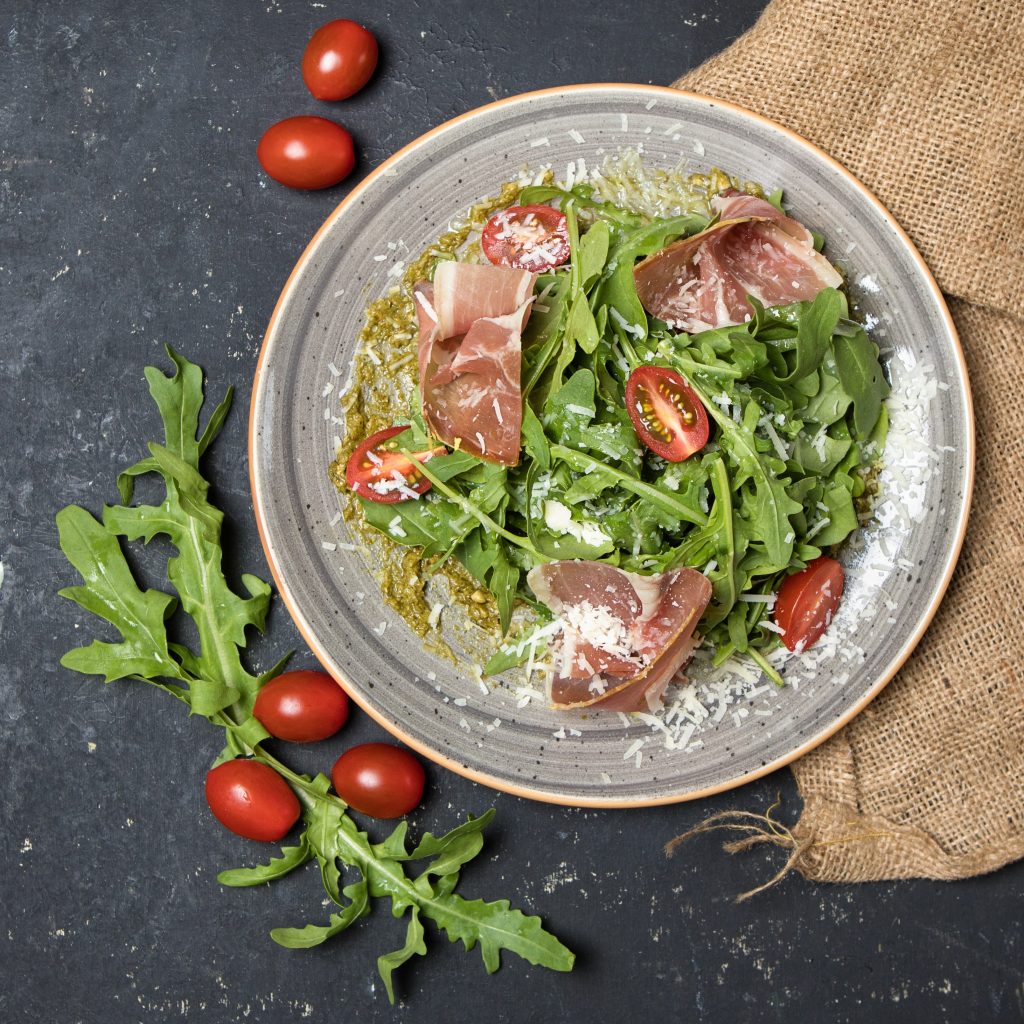
- Helps you avoid a “blood sugar roller coaster” and supports a healthier microbiome when your plate includes healthy protein, carbohydrates and fat. Blood sugar imbalances feed unhealthy gut bacteria. A good place to start with macronutrient ratios is approximately 30% protein, 40% carbohydrates, and 30% fats. Keep in mind that these ratios will be bio-individual and may need to be adjusted due to factors like age, size, activity level, pregnancy, or with breastfeeding. It’s not one size-fits-all.
How to make it sustainable
Eating healthy foods for your gut and overall health shouldn’t be overly complicated and should be sustainable. Making changes does not have to be done overnight. Start small and keep adding new changes as you’re able. Little changes over time have profound effects.
This is a two-part series. Tune in next week when I share about some of the most important foods included in a nutrient-dense gut healthy diet.
I encourage you to try one incorporating one of the benefits from the list above this week. If you try one, comment below. I’d love to hear how it goes!
References
- Wu, S., Bhat, Z. F., Gounder, R. S., Mohamed Ahmed, I. A., Al-Juhaimi, F. Y., Ding, Y., & Bekhit A. E. A (2022). Effect of Dietary Protein and Processing on Gut Microbiota-A Systematic Review. Nutrients, 14(3), 453.
- Nutritional Therapy Association. Digestion-Practical Application. [PDF file]. P 7.
This is not medical advice. Always check with your medical provider before making any changes.
Leave a Reply