
Inflammation can be very helpful for our body. It is the immune system’s response to harmful things, like pathogens, damaged cells, and toxins, and works to remove those things that can cause injury to our body.1 But when inflammation stays around for longer than is needed it can have a damaging effect. Chronic inflammation in the gut can result in a lot of uncomfortable symptoms like bloating, cramping, diarrhea, constipation, and even disease.
The Importance of Gut Health
The gut is a central player in our health. It’s connected to every major system in the body. It plays a vital role in digestion, nutrient absorption, immune system regulation, and detoxification. It’s key to our overall wellness.
Fortunately, several foods can help to soothe gut inflammation and encourage healing.
Here are some powerful helpers:
Aloe Vera
Aloe vera is a plant that has been used for centuries because of its medicinal benefits, and its support for health, beauty, and skin. It contains compounds that help to reduce inflammation in the gut. It also contains a gel-like substance that can soothe the digestive tract and help speed up healing.1 Aloe also consists of naturally occurring enzymes that work to support digestion by breaking down carbohydrates, proteins, and fats in the gastrointestinal system, resulting in less bloat and gas. To make use of aloe vera for gut inflammation, you can eat the gel right from the plant or find high-quality aloe vera juice. I like Lakewood Organic Pure Aloe Juice brand.
Ginger
Ginger has impressive anti-inflammatory properties that can assist in calming an inflamed gut.2 It also helps support digestive health and is beneficial for preventing nausea. To get some ginger into your diet, try adding some fresh, peeled ginger diced, shredded, or sliced to your recipes.
You can also make a simple ginger tea by chopping up two tablespoons of ginger (peeling optional). Combine two cups of water and the ginger in a small saucepan over high heat. After reaching a boil, turn the heat to low, and let it simmer for 3 minutes. Pour it through a fine sieve into your mug. Optional add-ins: honey, maple syrup, or lemon.
Turmeric
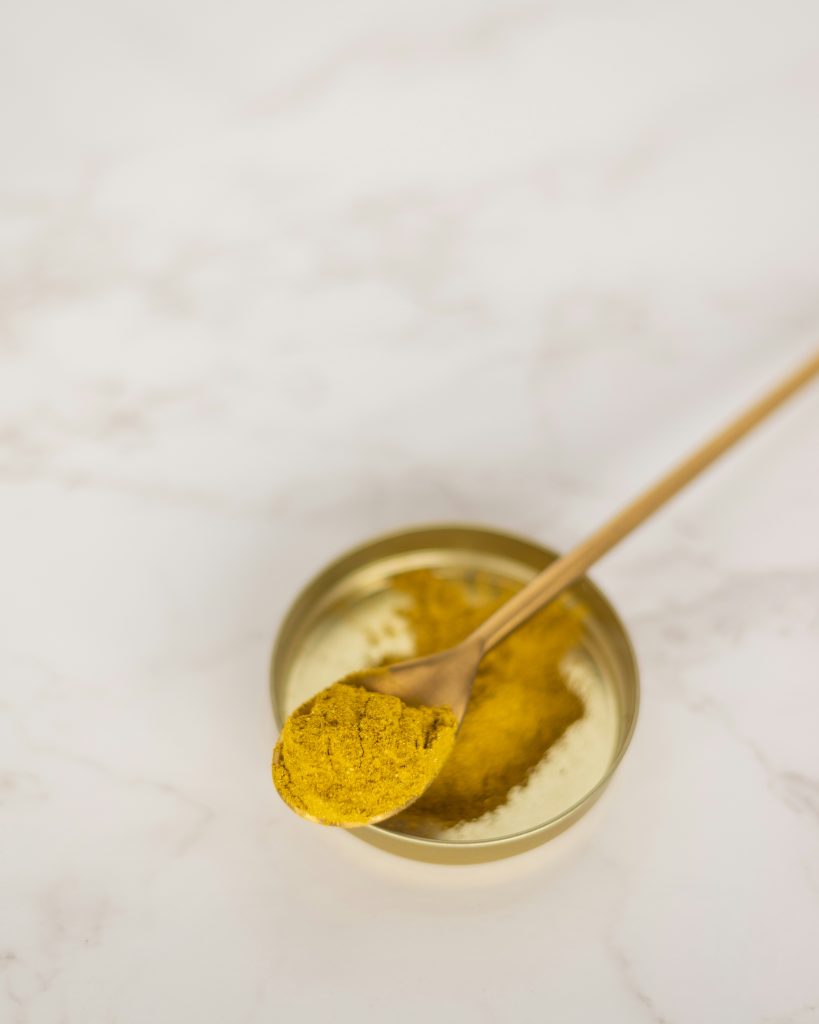
Turmeric is a spice that has been used for hundreds of years because of its anti-inflammatory properties. Turmeric contains curcumin, which has been shown to reduce inflammation in the digestive tract.3 It lowers inflammation by blocking enzymes and cytokines. Some ideas for adding turmeric to your diet include adding it to eggs, vegetables, rice, soup, a smoothie, or making tea with it.
Probiotic Foods
Inflammation can throw off beneficial gut bacteria, causing an imbalance. Probiotics can help to create short-chain fatty acids (SCFAs) which help bring down inflammation. SCFAs are also supportive of increased gut barrier health. Probiotic foods can also help bring balance back to the gut microbiome by bringing in beneficial bacteria. This is important because an imbalance in gut bacteria can have an inflammatory effect and be damaging to the lining of the gut. Some powerful probiotic-rich foods include sauerkraut, kimchi, yogurt, and kefir.
Bone Broth
Bone broth is very soothing for the digestive system. In the last several years, it seems like it has become a trendy food associated with gut health. It’s popular for good reason. Bone broth is loaded with healing amino acids, especially glutamine, to decrease inflammation and strengthen the immune system. It packs essential minerals such as magnesium, phosphorus, silicon, and sulfur. Bone broth contains chondroitin sulfate and glucosamine, ingredients that reduce inflammation, and it’s loaded with healing collagen and gelatin. Its nutrients are easily absorbed by an impaired digestive system, which helps to give the gut a rest to allow healing.

Stewed Apples
The skin of apples contains pectin, soluble fiber, and prebiotics, that can support consistent bowel movements and help nourish beneficial gut bacteria in the microbiome. Cooking the apples allows the fiber to be broken down and makes them a soothing and easy-to-digest food. Bonus tip: These are great for supporting the growth of beneficial bacteria if you have had to take antibiotics. Find my recipe here.
Fatty Fish
Fatty fish, like salmon, mackerel, anchovies, and sardines, are full of omega-3 fatty acids, which are anti-inflammatory and can help boost healing in the digestive system. These fish are also rich in protein which helps to repair the cells in the lining of the gut. Including fatty fish in your diet can also result in increasing beneficial gut bacteria, which helps improve the health of the microbiome.4 Another benefit to consuming these fatty fish is that they are easy to digest. If possible, choose high-quality, wild-caught fish and look for sources that are not high in mercury.
Including these gut-healthy foods in your diet can help to bring down inflammation in the gut, soothe digestion, and encourage healing. It’s so important to listen to your body and figure out which foods work best for you.
If this has been helpful, please share it with a friend!
References:
- Restorative Wellness Solutions. Gastrointestinal Healing Solutions. [PDF file]. 2020. P 6.Nikkhah Bodagh, M., Maleki, I., & Hekmatdoost, A. (2018).
- Ginger in gastrointestinal disorders: A systematic review of clinical trials. Food science and nutrition, 7(1), 96-108.
- Burge, K., Gunasekaran, A., Eckert, J., & Chaaban, H. (2019). Curcumin and Intestinal Inflammatory Diseases: Molecular Mechanisms of Protection. International journal of molecular sciences, 20(8), 1912.
- Noriega, B. S., Sanchez-Gonzalez, M. A., Salyakina, D., & Coffman, J. (2016). Understanding the Impact of Omega-3 Rich Diet on the Gut Microbiota. Case reports in medicine, 2016, 3089303.
Leave a Reply