
We don’t often hear about the importance of fats in our diet, but they are essential for our health.1 I learned in my own health journey that I was not digesting them well, and eventually learned how important they were for my overall health. I dealt with several frustrating symptoms, like constipation, bloating, and estrogen dominance due to fat malabsorption.
In this article, we’ll dive into why fats are important in our diet, the symptoms that are associated with a deficiency, the importance of bile, and ways to support the digestion of fats.
The Essential Role of Fats in Our Body
Fats are a critical part of our diet because they help us feel full and satiated, assist with absorbing fat-soluble vitamins A, D, E, and K, provide energy, support mood, and assist with cell production and hormone production. They are also helpful in supporting brain health, as our brain is made up of almost 60% fat!2
10 Signs of Difficulty Digesting Fats
- Stomach gets upset with greasy foods
- Stools float
- Light colored stools
- Pain under the right rib cage
- Dry skin
- Deficiency in fat-soluble vitamins A, D, E, and K
- Diarrhea
- Gas
- Bloating
- Constipation
One or more of these signs could mean that you are not digesting fats properly.
The Importance of Bile in Fat Digestion
When talking about how we can optimally digest fats, we cannot leave out the importance of and role of bile. Having sufficient bile and optimal bile flow is crucial in supporting the digestion of fats. Its main function is to break down fats in the small intestine. Bile is also very important because it is a major route of elimination for the body.3
Bile is considered a surfactant. You can think of it like soap on a greasy dish pan, breaking down fats in the process. Without bile, we miss out on important fat-soluble vitamins A, D, E, and K. It’s also important for helping to remove excess toxins and hormones, as well as stimulating the movement of food through the gastrointestinal system which helps with more regular bowel movements.
There are many things we can do to increase bile flow and thereby have a positive effect on our digestion of fats.
Strategies to Enhance Bile Flow and Support Fat Digestion
- Diaphragmatic breathing: During these deep breathing exercises, the diaphragm pushes down and massages the liver, helping to stimulate bile production.
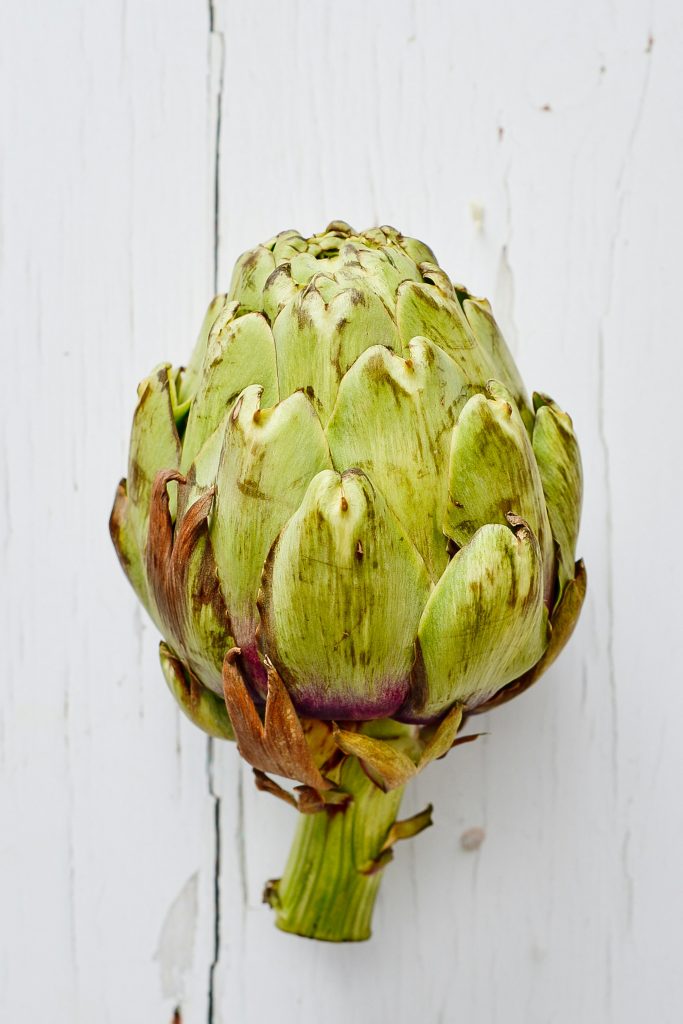
- Eat bitter foods: artichoke, dill, dandelion root, milk thistle, ginger, lemon or lime, grapefruit, and turmeric.
- Digestive bitters: helpful for supporting the release of digestive juices (HCl, enzymes, bile). I like Earthley brand Digest Support.
- Stay hydrated: Approximately 85% of bile is made from water.
- Castor oil packs: support function in the gallbladder and liver. The Queen of the Thrones has a great castor oil pack. You can use the code JENNIFERRISEWELLNESS10 to receive 10% off with any order of $59 or more.
- Remove unhealthy fats from your diet: margarine, canola, cottonseed, soybean, sunflower, safflower and corn oils. These cause the liver to become sluggish, reducing its ability to create bile.
- Consume healthy fats: grass-fed butter, ghee, coconut oil, extra virgin olive oil, olives, avocado oil, and tallow all help stimulate the release of bile.
By understanding and addressing difficulties with fat digestion, we can avoid a lot uncomfortable symptoms and optimize our health. There are many things we have within our control to support the digestion of fats. If you found this information helpful, please pass it on to a friend.
References:
- Meijaard, E., Abrams, J. F., Slavin, J. L., & Sheil, D. (2022). Dietary Fats, Human Nutrition and the Environment: Balance and Sustainability. Frontiers in nutrition, 9, 878644.
- Chang, C. Y., Ke, D. S., & Chen, J. Y. (2009). Essential fatty acids and human brain. Acta neurologica Taiwanica, 18(4), 231–241.
- Klaassen C. D. (1975). Biliary excretion of xenobiotics. CRC critical reviews in toxicology, 4(1), 1–30.
Leave a Reply