
What looks like a big blob but has over 500 crucial functions in your body? The amazing liver. It’s about the size of a football and sits in the right upper quadrant of your abdomen. It’s working around the clock to keep your body healthy!
What is the liver responsible for?
The liver is responsible for helping to support the immune system, blood sugar regulation, nutrient absorption, energy levels, hormones, managing protein, and fat metabolism, storing vitamins and minerals, filtering toxins, and so much more. It’s an essential organ that we cannot survive without.
How is the liver connected to the digestive system?
The liver is very important in supporting digestion and gut health. Everything we consume, including food, alcohol, medicine, or toxins, must be filtered by the liver. When we eat food, it gets digested by the stomach and intestine, gets absorbed by the blood, and then goes to the liver. The liver processes the nutrients so they can be used by the rest of the body.
The liver is responsible for creating bile, a digestive secretion that is vital for digestion. Bile gets stored in the gallbladder until it needs to be released into the small intestine for help with breaking down fats. You can think of bile like soap on a greasy dish pan, breaking down fats. Without bile, we miss out on important fat-soluble vitamins A, D, E, and K. These fats can then be utilized as energy for your body.
Why is the liver considered a detox organ?
Today, we are exposed to many environmental toxins in our homes, our workplaces, and our food supply. The liver is our main detoxification organ. When a toxin enters the body it is typically sent to the liver to be processed. It is then brought back into circulation to be removed through the kidneys, or the intestine with the use of bile, and then is removed via pooping. Bile is key in helping to transport waste and toxins out of your body in the stool. Without free-flowing bile, excess hormones and toxins can build up, wreaking havoc on your body and making it harder for your body to eliminate. Supporting your liver is critical for your health and well-being.
Here are 10 ways you can support your liver:
- Stress management. We need to be relaxed, or in a parasympathetic state, to effectively support our liver. When we are in a sympathetic or stressed state, energy is directed away from our digestive system so it cannot effectively do its job. Diaphragmatic breathing is a great way to stimulate a parasympathetic state. Try deep breathing 5 to 10 times before meals and optimally throughout your day.
- Eat a whole food, nutrient-dense diet. Include good quality fats (butter, ghee, coconut oil, olive oil, avocado oil, pastured lard, and tallow), fresh fruits and vegetables, and high-quality protein from eggs, fish and meat, including organ meat. Beef liver is an excellent option to include, as it boasts the highest concentration of vitamin A, has high levels of B vitamins, is a good source of minerals and helps to boost energy. If this has some of you feeling queasy, there are high quality dessicated beef liver supplements from Perfect Supplements that are a great substitute. I cook beef liver, but I also like to have these on hand so I can ensure I am getting beef liver in my diet more consistently. It makes a great multivitamin!
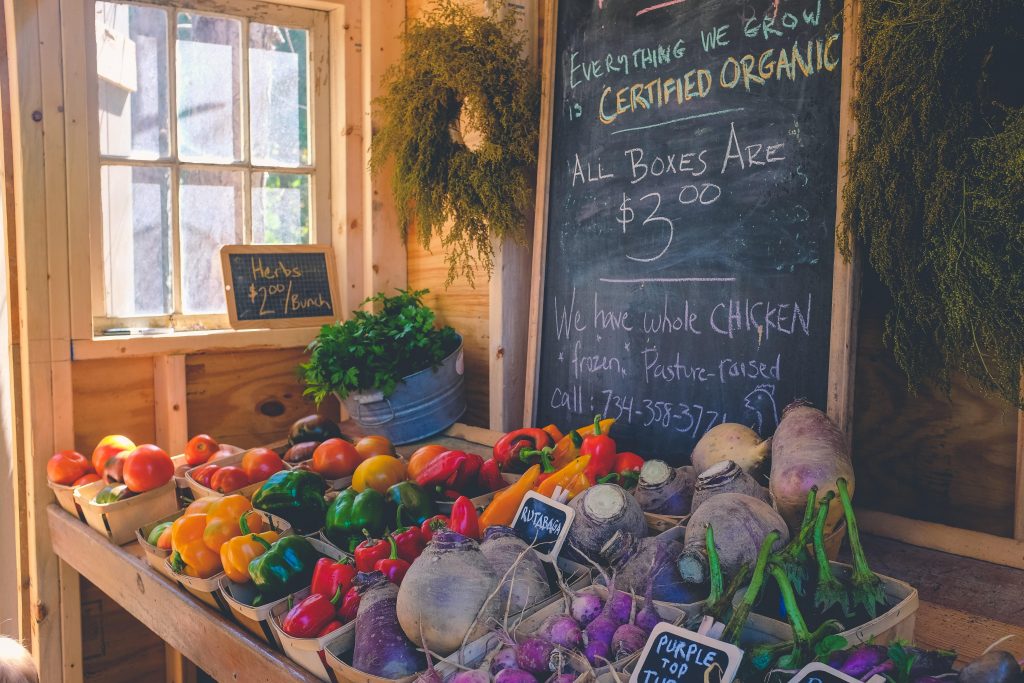
- Eat as clean as you can. If you can afford to eat organically, that helps to remove further toxins and support your liver so it can function at its best. If that’s not feasible, the EWG’s dirty dozen and clean 15 lists provide a very good alternative. It lists produce with the highest and lowest pesticide residues.1
- Sunlight exposure. Getting some sun on our skin helps support the release of vitamin D and decreases inflammation in the liver.2
- Get your body moving. The lymphatic system helps remove toxins from the body by acting as a pre-filter for the liver. We have to be our own “pump” for the lymphatic system. The lymphatic system doesn’t have its own pumping system so we have to stimulate it by moving our muscles. Walking, swimming, bike riding, stretching, strength training, and yoga are all great examples.
- Castor oil packs. Placing a castor oil pack over the liver or entire abdomen is thought to support liver health and the digestive system. I love the Queen of the Thrones castor oil pack. It’s effective and very easy to use!
- Support blood sugar balance. Increased cortisol and blood sugar imbalance are stressful on the liver.3 Avoiding a high-sugar diet and processed foods is a great first step in balancing your blood sugar.

- Clean air and clean water. Reduce toxic exposure in the air inside your home and your water. Open your windows to get fresh air into your home, or purchase an indoor quality air purifier. I like Austin Air Purifiers or Air Doctor Air Purifiers. Consider a water purifier. I’ve owned a Berkey Water Purifier for 18 years and love it.
- Prioritize pooping daily. When we aren’t having a daily bowel movement, we run the risk of reabsorbing excess hormones and toxins that should be getting secreted. The toxins are absorbed from the bowel and travel back to the liver to be processed. The liver has to work much harder to break down these toxins.
- Eat bitter foods. Bitter foods help nourish and stimulate the liver to make bile.4 Bile is essential for breaking down fats and carbohydrates so they can be absorbed. Examples of bitter foods include Jerusalem artichoke, dill, arugula, ginger, dandelion greens, lemon, lime, and grapefruit.
We can’t deny how vitally important the liver is! Without an optimally working liver, we risk nutrient deficiencies, toxin exposure, imbalanced blood sugar, decreased energy, and decreased digestive function.
The above strategies are very helpful in supporting the liver, but with any dysfunction in the body it’s always important to support the foundations: a nutrient-dense diet, digestion, blood sugar imbalance, fatty acids, stress, and sleep. These are things I focus on with each and every client I work with.
Which of the above strategies will you try in order to support your liver?
References:
- Group, E. W. (2022, April 7). Dirty Dozen™ fruits and vegetables with the most pesticides. EWG’s 2022 Shopper’s Guide to Pesticides in Produce | Dirty Dozen. Retrieved October 31, 2022, from https://www.ewg.org/foodnews/dirty-dozen.php
- Gorman, S., Black, L. J., Feelisch, M., Hart, P. H., & Weller, R. (2015). Can skin exposure to sunlight prevent liver inflammation?. Nutrients, 7(5), 3219–3239.
- Nutritional Therapy Association. Detoxification-Dysfunction. [PDF file]. 2020. Pg 7.
- Nutritional Therapy Association. Digestion-Practical Application. [PDF file]. 2020. Pg 14.
Leave a Reply