Digestive enzymes are proteins that are key for breaking down the carbohydrates, proteins and fats in food so that you can absorb the nutrients it contains. When food doesn’t get broken down well, it stays in the stomach for longer than it should, resulting in gas and bloating, an imbalance in the microbiome, and a cascade of digestive issues further down the digestive tract. 1
When undigested food passes through the gut lining, it can trigger an immune response and spur more inflammation, further damaging the gut lining. This results in gut permeability or “leaky gut”.
The three main types of enzymes:
*Protease: breaks down protein into amino acids.
*Amylase: breaks down carbohydrates into simple sugars for your body to use as energy.
*Lipase: breaks down fat into fatty acids.
Signs you may be deficient in digestive enzymes:
*bloating
*gas
*constipation
*burping an hour or so after meals
*abdominal pain
*undigested food in stool
*fatigue
*food feels heavy in stomach
*wake up not feeling hungry
*heartburn and indigestion
So what are some ways to support their production?
*Stress management: This is really important. Getting into a parasympathetic, or relaxed mode, helps set you up for better digestion of your food.
*Support the “rest and digest” mode by taking 5 to 10 deep breaths before meals.
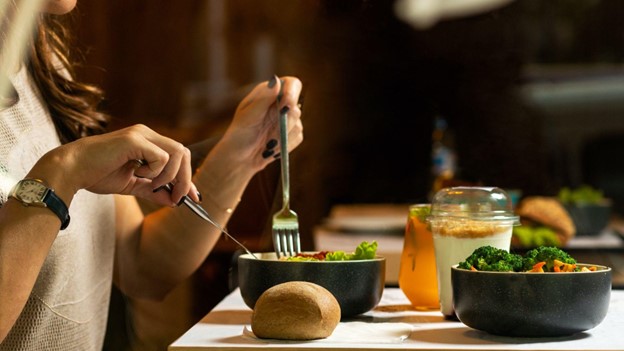
*Make sure to sit down rather than stand and multitask (I say this from years of experience!). Eating should be the main activity. Set aside distractions like the tv, phone or computer.
*Take time to smell your food. This tells your brain that food is on the way, preparing your body for digestion.
*Eat foods that naturally contain digestive enzymes: Pineapple, papaya, mango, banana, avocado, kiwi, apricots, raw honey, kefir, sauerkraut, kimchi, ginger. These help start the process of digestion.
*Digestive bitters are helpful for supporting the release of digestive juices (HCl, enzymes, bile) for digestion. I like Urban Moonshine or Organic Olivia brands. You can also incorporate bitter foods like dandelion greens, arugula, dill, ginger, turmeric, citrus like lemon, lime and grapefruits.
*Chew your food to a smoothie consistency. This helps stimulate the release of digestive enzymes. It also helps take some burden off of the stomach. The more broken down your food is before it reaches the stomach, the easier it is to digest and absorb.
*Avoid vegetable oils or PUFAs. They contribute to poor cellular health, which results in poor absorption. Choose cold pressed, extra virgin olive oil, butter, coconut oil, ghee instead of canola, soybean, cottonseed, or corn oils.
With incorporating the above ideas, you can start supporting your digestion, intestinal lining and absorption of important nutrients from your food.
This is not medical advice. Check with your medical provider before making any changes.
Reference:
- Weatherby, Dicken. (2004). Signs and Symptoms Analysis from a Functional Perspective. Jacksonville, OR: Bear Mountain Publishing.
Leave a Reply