When it comes to increasing your gut health, there are some gems out there that are readily available to us: polyphenols. These powerfully created plant compounds are found generously in fruits, vegetables, herbs, spices, and nuts and offer a ton of benefits for our overall well-being. In this article, we’ll get into how polyphenols can do incredible things for gut health, specifically, focusing on how they can feed beneficial bacteria and prevent the growth of pathogenic bacteria. So let’s uncover the secrets of these gut-loving defenders!
The role of polyphenols
Polyphenols are known for having antioxidant and anti-inflammatory properties. They play an important role in protecting plants against environmental stress and pathogens. These same properties also make them a benefit to our gut health.
How polyphenols benefit gut health
Our gastrointestinal tract houses a community of microorganisms known as the gut microbiome. This amazing ecosystem plays an essential role in sustaining our health overall, including digestion, immune function, and even our mental well-being. Polyphenols act as prebiotics, providing food for the beneficial bacteria in our gut.
Increases the “good bug” diversity
Polyphenols have been found to increase the beneficial bacteria, such as Bifidobacteria and Lactobacilli, which are connected to better gut health. By increasing the diversity in the microbiome, polyphenols provide a more resilient gut environment.
Short-chain fatty acids (SCFAs) are produced
When polyphenols are broken down by the bacteria in your gut, they release SCFAs like butyrate. SCFAs help the cells lining the colon by supplying energy, promoting a healthy gut environment, and supporting immune function.
Blocks pathogenic bacteria
Besides nourishing the “good bugs” or beneficial bacteria, polyphenols also have antimicrobial properties that help stop the growth of pathogenic bacteria, helping keep them from harm and imbalance in the gut. 1
Antimicrobial effects
A 2018 review showed that polyphenols have shown antimicrobial action against a variety of pathogenic bacteria, such as Escherichia coli, salmonella, and Clostridium difficile. They work by blocking the growth and binding of pathogenic bacteria, decreasing their ability to cause an infection. That’s so incredible!
Anti-inflammatory benefits
Polyphenols provide anti-inflammatory benefits that can support reduced inflammation in the gut. This results in providing an environment not welcoming for pathogenic bacteria to grow, creating a healthier gut microbiome.

Polyphenol-rich foods
Let’s look at some ways to get polyphenols into our diet:
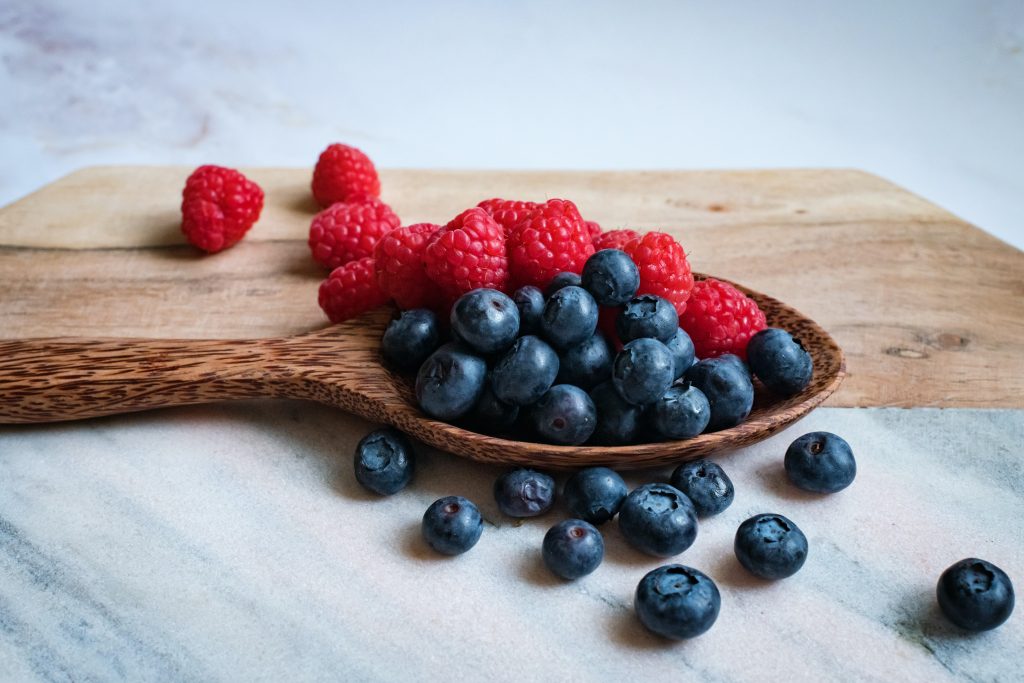
- Colorful fruits: Berries, cherries, grapes, apples, and citrus fruits.
- Vegetables: Broccoli, spinach, kale, red onion, shallots, and artichokes.
- Herbs and spices: Ginger, turmeric, cinnamon, cloves, cilantro, oregano, thyme, sage, rosemary, celery seed, peppermint.
- Dark chocolate and cocoa powder
- Nuts: Chestnuts, almonds, hazelnuts, walnuts, and pecans.
- Olives and olive oil
- Tea and coffee: Green tea boasts the most polyphenols among teas.
To sum it up, polyphenols are true champions when it comes to promoting gut health. Their ability to feed beneficial bacteria and block the growth of pathogenic bacteria makes them essential for keeping a balanced gut microbiome and supporting overall well-being. Food can be really powerful!
By including polyphenol-rich foods in our diets, such as colorful fruits, vibrant vegetables, flavorful herbs, and spices, as well as teas, we can capture their gut-healing powers. Remember, diversity is key, so aim for a wide variety of polyphenol foods to maximize their benefits.
Including a diet rich in polyphenols not only nourishes our gut microbiome but also provides many other health advantages, including antioxidant and anti-inflammatory effects. So, which polyphenol foods are you going to eat this week?
References
- Plamada, D., & Vodnar, D. C. (2021). Polyphenols-Gut Microbiota Interrelationship: A Transition to a New Generation of Prebiotics. Nutrients, 14(1), 137.
Leave a Reply