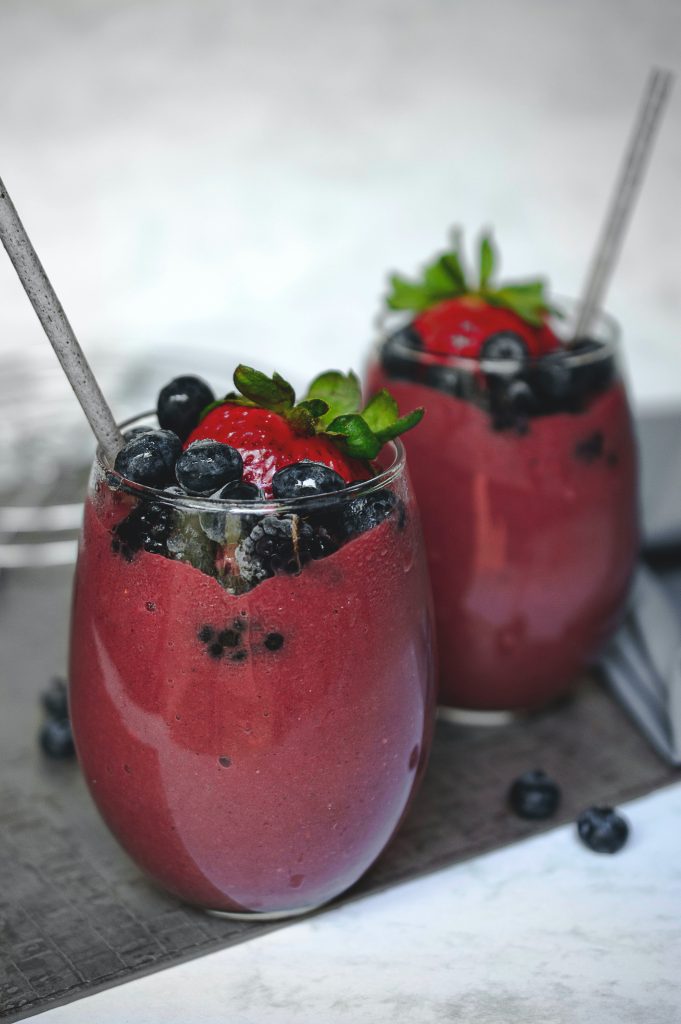
Are you a fan of smoothies? Funny fact: I love them so much that I will eat them in the dead of winter, even if it means my teeth are chattering and I’m shivering afterward! Smoothies are a quick and easy way to pack some gut-nourishing nutrients into your diet, support your metabolism and provide you with long-lasting energy. Whether you’re looking for ideas for an easy-to-make breakfast, post-workout snack, or a refreshing and nutrient-dense treat, a well-rounded smoothie can supply you with the nourishment your body loves. In this article, we’ll get into the key details of how to craft a nourishing smoothie. To learn more about reasons to eat nutrient-dense, nourishing foods, read this blog.
For an optimal smoothie that supplies your body with a variety of building blocks and energy, it’s best to include all three macronutrients: protein, carbohydrates, and healthy fats.
Here are some key components to add to your smoothie
Milk of choice
Grass-fed raw milk from a reputable source, Kalona SuperNatural whole milk, organic dairy from pasture-raised animals, yogurt, and kefir are great choices. These foods add healthy fat, enzymes, probiotics, and vitamins A and D. Proteins from animal sources are full of iron, B12, zinc, magnesium, and potassium and are presented in their most bio-available forms.1
Non-dairy milk alternatives like almond milk, coconut milk or cream, cashew milk, coconut yogurt, and coconut kefir are some great options when you are unable to tolerate dairy. These kinds of milk supply you with healthy fat, vitamins, and minerals. Coconut yogurt and kefir contain healthy fat, beneficial bacteria for the gut, enzymes, anti-inflammatory properties, and contain lauric acid which is beneficial for the immune system.
If you don’t have an allergy and can tolerate cow’s milk or goat milk, these contain higher nutrients and include complete protein versus plant-based milk which is lacking in essential amino acids.
Fruits
- Strawberries
- Raspberries
- Cherries
- Blueberries
- Blackberries
- Mango
- Pineapple
- Peaches
- Banana
- Kiwi
- Oranges
- Acai
- Pomegranates
Vegetables
- Handful of spinach
- Romaine
- Spring mix
- Cucumber
- Celery
Fruits and vegetables are carbohydrates that are packed with vitamins, minerals, and antioxidants. Changing the kinds of fruits and veggies that you include in your diet is a great way to provide a variety of food and nutrients for your gut microbiome and overall health.
Protein powder or collagen powder
Protein is vital for building and repairing tissues in your body and is important for keeping you feeling satiated, stabilizing blood sugar, and supplied with long-lasting energy. An easy way to add in protein is with a protein powder. My favorite is Equip Protein Powder. They go to great lengths to ensure that their protein source and ingredients are high-quality and actually from natural sources. The ingredients are minimal, and it’s sourced from 100% grass-fed and finished beef. One serving supplies you with 21 grams of protein and contains all the essential amino acids. If interested in giving Equip a try, you can use Jen for 15% off your first order at checkout.
While collagen is not a complete protein, it is still a good support as it’s the primary building block for your body’s connective tissues, including the skin, muscles, bones, tendons, and ligaments. Connective tissue is also found in your organs, blood vessels, and gut lining. I trust and use Perfect Supplement’s Perfect Hydrolyzed Collagen. You can use JENNIFER10 for 10% off at checkout.
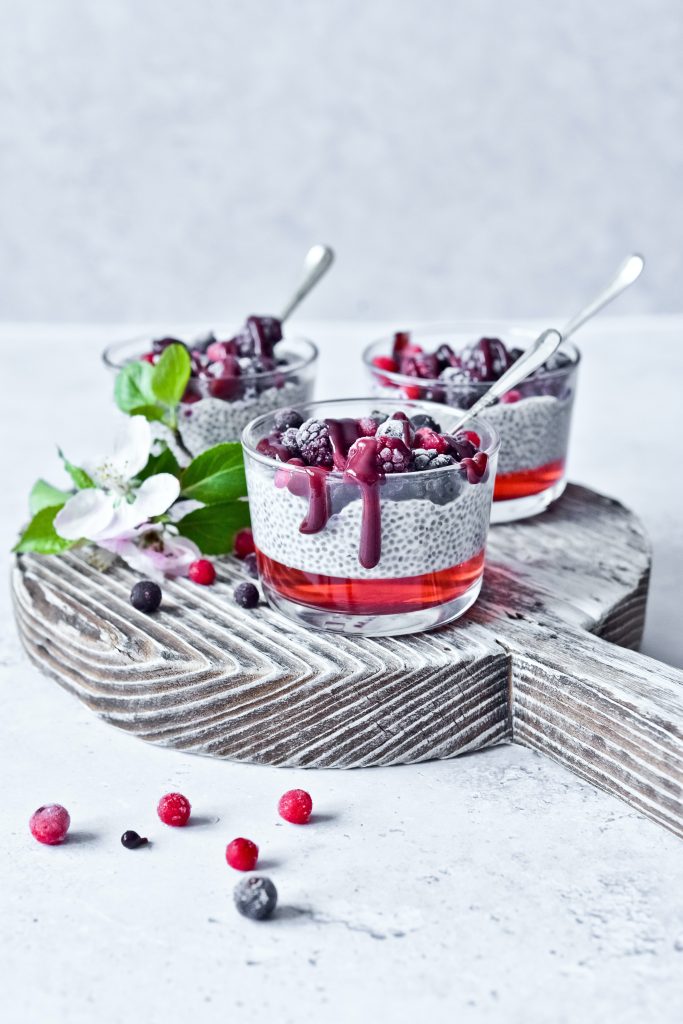
Optional add-ins to choose from
Chia seeds, hemp hearts, flax seed, whole food vitamin C powder, nut butter, chopped ginger, cinnamon, turmeric, cocoa, cacao, citrus zests
Chia seeds: Contain omega 3 fatty acids, manganese, calcium, phosphorous, and antioxidants, is a good source of fiber, and help feed the probiotics in your microbiome.
Flaxseed: Contain one of the richest sources of omega 3 fatty acids, manganese, thiamine, and magnesium, is rich in antioxidants, and is a good source of fiber, helping in providing food for the beneficial gut bacteria in your colon.
Hemp hearts: Contain omega 3 and 6 fatty acids, is rich in magnesium zinc, and iron, are a good source of fiber, and help feed the probiotics in your microbiome.
Whole food vitamin C: Vitamin C is a powerful antioxidant that helps protect against free radicals, supports a healthy immune system, and helps with the production of collagen. I use Perfect Acerola Powder for my whole food vitamin C supplement. JENNIFER10 will save you 10% at checkout.
Nut butter: Provide healthy fats, vitamins, minerals, and fiber.
Avocado: Contains healthy fat, vitamins C, E, K, and B6 as well as riboflavin, niacin, folate, pantothenic acid, magnesium, and potassium.
Ginger: Anti-inflammatory, helps relieve constipation, belching, nausea, and indigestion.2
Cinnamon: Anti-inflammatory and can help support healthy blood sugar levels.3
Turmeric: Anti-inflammatory, fights oxidative stress.4
Cocoa: Contains polyphenols which are rich in antioxidants.
Cacao: Rich in antioxidants, iron, magnesium, calcium, chromium, zinc, fiber
Citrus zests: Includes fiber, antioxidants, and vitamin C.
Toppings
Unsweetened shredded coconut, slivered almonds, sliced tiger nuts, bee pollen
Topping your smoothie with something that you can chew is helpful for stimulating the release of the digestive enzyme, salivary amylase, which helps to break down carbohydrates and support digestion.5
Recap
Crafting a nourishing smoothie is easy to do and adaptable to your own likes and needs. It’s a great way to supply your gut with a variety of nourishing ingredients, support your blood sugar and metabolism, as well as help with creating long-lasting energy. Get creative and have fun trying out different blends to find what you like best!
References
- Restorative Wellness Solutions. Nutrients, Food and Special Diets. [PDF file]. 2020. P 3.
- Haniadka, R., Saldanha, E., Sunita, V., Palatty, P. L., Fayad, R., & Baliga, M. S. (2013). A review of the gastroprotective effects of ginger (Zingiber officinale Roscoe). Food & function, 4(6), 845–855.
- Silva, M. L., Bernardo, M. A., Singh, J., & de Mesquita, M. F. (2022). Cinnamon as a Complementary Therapeutic Approach for Dysglycemia and Dyslipidemia Control in Type 2 Diabetes Mellitus and Its Molecular Mechanism of Action: A Review. Nutrients, 14(13), 2773.
- Hewlings, S. J., & Kalman, D. S. (2017). Curcumin: A Review of Its Effects on Human Health. Foods (Basel, Switzerland), 6(10), 92.
- Nutritional Therapy Association. Digestion-Function. [PDF file]. 2020. P 6.
Leave a Reply