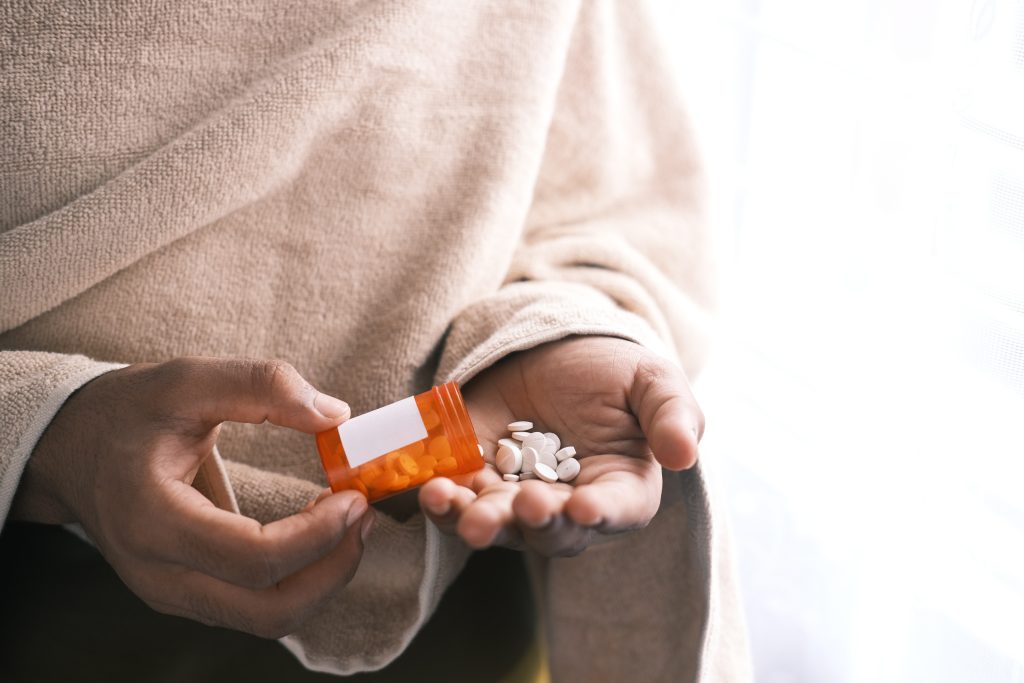
Antibiotics are something to be grateful for. They can be lifesaving in certain situations! There is no doubt a time and a place for them.
However, researchers have found that at least 30 percent of prescriptions written for antibiotics in the US are unnecessary, causing more harm than good. 1 As a result of overuse, many people are now susceptible to antibiotic resistance. Antibiotics not only kill off the bacteria causing havoc in your body, but they also kill off the beneficial bacteria which can lead to some unwelcome symptoms and conditions. In this article, we’ll dive into some ways to build back up the microbiome if you have to take antibiotics.
The Importance of the Microbiome
Your gut contains more than 100 trillion microbial cells, responsible for managing digestion, metabolism, and inflammation. Those cells make up a community of microorganisms known as your microbiome. It includes a variety of bacteria, viruses, archaea, and fungi. The microbiome functions a lot like an organ, and it serves as a major part of the immune system. Having a wide variety of microbes leads to a healthy and resilient body.
Signs Your Gut Needs Some Attention
Learning to recognize the signs of a dysfunctional gut is the first step toward healing.
- Look out for symptoms of digestive discomfort like bloating, gas, diarrhea, or constipation.
- Decreased immunity: frequent colds and infections.
- Allergies
- Mood swings
- Brain fog
- Skin issues like acne or rashes
- Sleep disturbances
- Weight management difficulty
The very good news is that there is so much that we can do to turn the tide and start moving towards resilience.
Strategies for Building Back Up the Microbiome
Probiotics: Probiotics are beneficial bacteria that can help repopulate your gut microbiome. Consider taking a high-quality probiotic with multiple strains and high CFU (colony forming units) during and after taking an antibiotic. Including probiotic foods in your diet, such as sauerkraut, kimchi, fermented pickles, and yogurt, is very helpful too.
Prebiotics: Prebiotics are essentially food for your microbiome. They provide nourishment and help create the growth of beneficial bacteria in your gut. Prebiotics are unique in that the human body isn’t able to digest and use them but our gut bugs do. Some prebiotic foods to add to your diet: Asparagus, apples, artichokes, radishes, garlic, onions, sweet potatoes, unripe bananas, cocoa, flaxseeds, jicama root, leeks and raw carrots.
Organic bone broth, organic collagen and organic gelatin: These contain properties that support healing and sealing of the gut lining, as well as being soothing to your gut. JENNIFER10 will save you 10% on any Perfect Supplements products.
Avoid refined carbohydrates and refined sugar: A high-refined carb diet can decrease the number and variety of good gut bacteria, which can affect digestion and result in constipation.2
Get good quality sleep: Sleep deficits have been found to cause an imbalance in the gut microbiome. To learn more about strategies for supporting good quality sleep, and increasing the health of your microbiome, read this article.
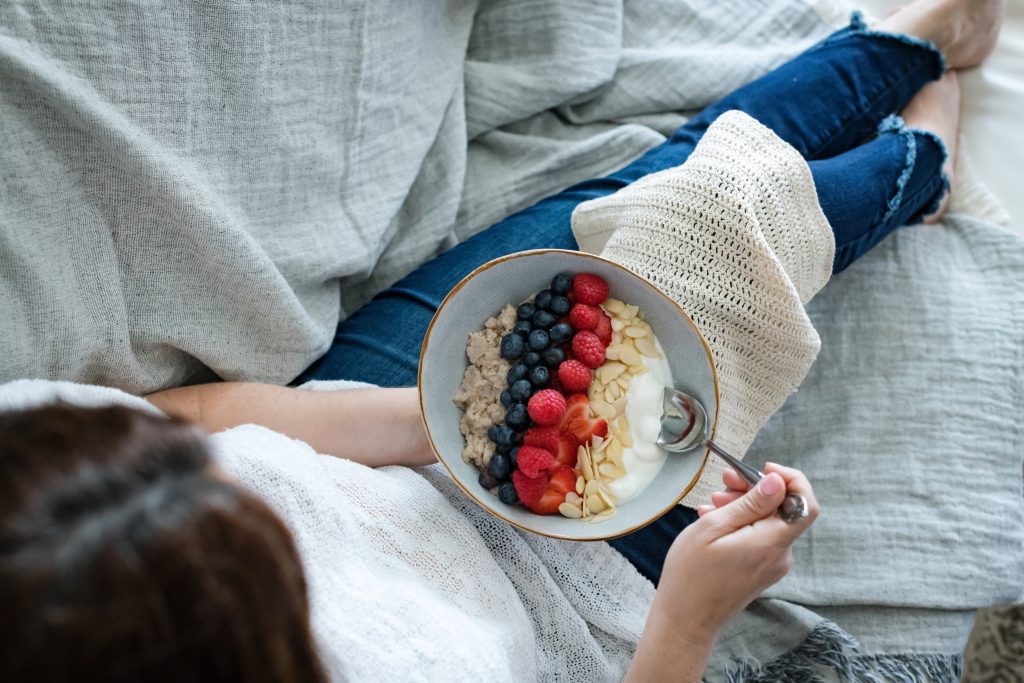
Variety: Your beneficial gut bugs love variety! Aim to eat a wide variety of plant and animal foods. When filling your plate, think about adding more color. Try to add at least three different colors to your plate.
Exercise: Exercise has been shown to positively affect the number of beneficial bacteria and diversity in the microbiome.3
Manage chronic stress: Chronic stress can slow down or prevent gut healing, as well as increase the proliferation of harmful gut bacteria.4 Spending time in nature, deep breathing, journaling, daily movement, and exercise, as well as prayer and meditation are all powerful ways to rein in stress.
Healing the gut following antibiotics takes time and patience but it is definitely doable! Incorporating the above strategies will help increase your success and lessen the time it takes to build your microbiome back up. I’ve gone through the healing journey to restore my gut and now it’s your turn. I’m cheering for you!
Resources:
- https://www.cdc.gov/media/releases/2016/p0503-unnecessary-prescriptions.html
- Kruis, W., Forstmaier, G., Scheurlen, C., & Stellaard, F. (1991). Effect of diets low and high in refined sugars on gut transit, bile acid metabolism, and bacterial fermentation. Gut, 32(4), 367–371.
- Monda, V., Villano, I., Messina, A., Valenzano, A., Esposito, T., Moscatelli, F., Viggiano, A., Cibelli, G., Chieffi, S., Monda, M., & Messina, G. (2017). Exercise Modifies the Gut Microbiota with Positive Health Effects. Oxidative medicine and cellular longevity, 2017, 3831972.
- Madison, A., & Kiecolt-Glaser, J. K. (2019). Stress, depression, diet, and the gut microbiota: human-bacteria interactions at the core of psychoneuroimmunology and nutrition. Current opinion in behavioral sciences, 28, 105–110.
Leave a Reply